Sint Eustatius (Statia) Travel Guide
Welcome to the taste2travel Statia Travel Guide!
Date Visited: May 2015
Introduction
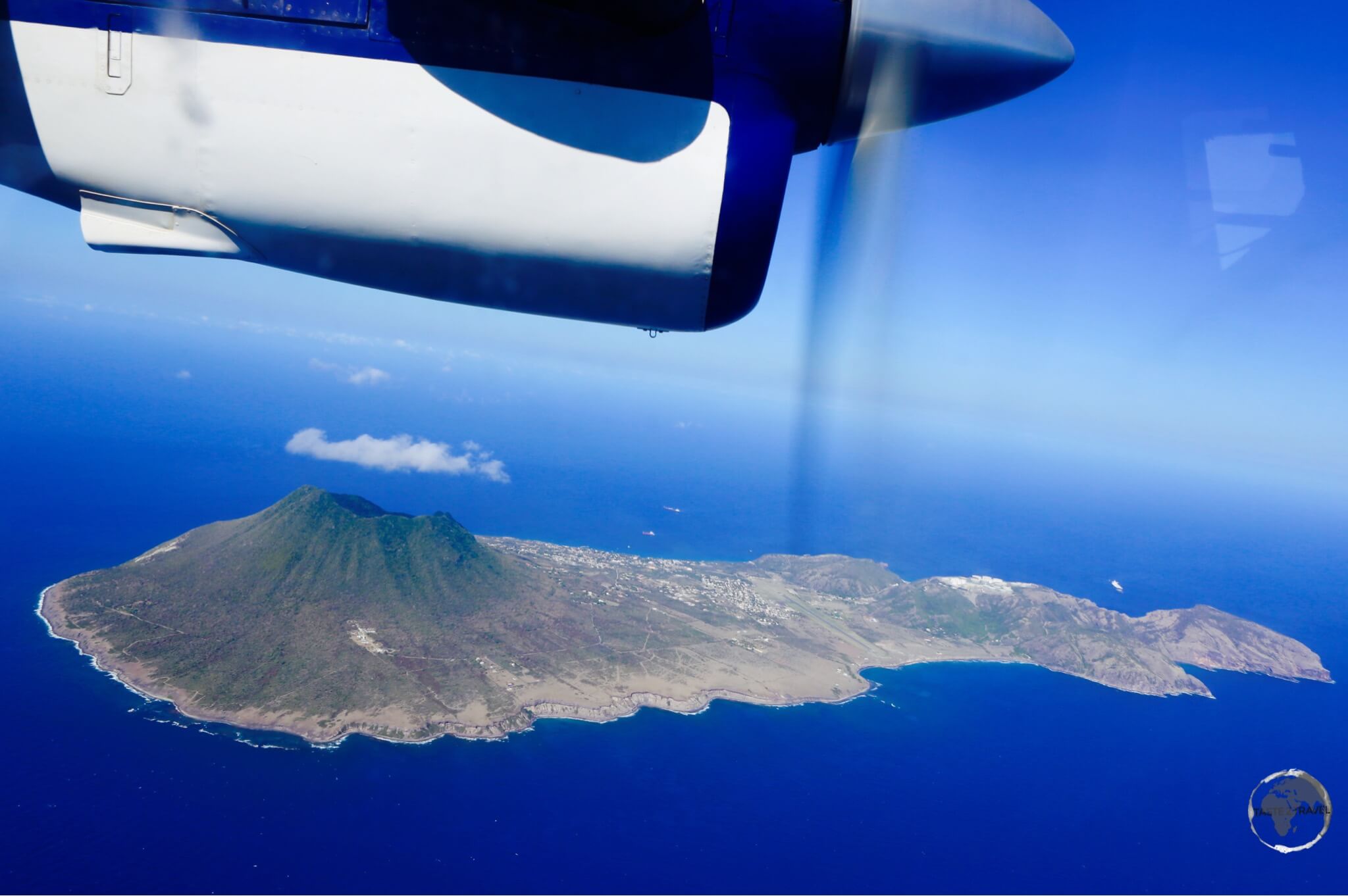
St. Eustatius, or Statia is a quirky little place. Today it’s a tiny (32 km²), sleepy island with a small population (3,857), most of whom live in it’s capital – Oranjestad. The most dominant geographical feature on the island is the Quill (609-m), a dormant volcano.

A Dutch-era colonial building on Statia.
Statia is off the well-beaten Caribbean tourist trail, if you are looking for the Caribbean of 40 years ago then this is the island for you.

Warehouse ruins on the Lower Town beach at Oranjestad
The island was not always so quiet – it was once known as the trading centre of the world and used to attract thousands of merchant ships to its shores. It was also the first foreign power to recognise the independence of the United States of America. Since Columbus first landed on the island in 1493, it has changed hands at least 22 times among the British, French and Dutch. Today it is part of the Caribbean Netherlands.
Location
Caribbean Netherlands
The island lies in the northern Leeward Islands, 11-km northwest of St. Kitts, 11-km southeast of Saba (Dutch), south of St. Barths (French), Sint Maarten/ Saint Martin (Dutch/ French) and Anguilla (British).
The official language is Dutch but English is the language used for everyday life on the island with education also being in English.

Sunset from Oranjestad beach.
History
The first inhabitants of Statia were the Saladoids, who arrived from South America.
Columbus was the first European to make landfall in 1493, during his 2nd voyage to the Americas. He named the island after San Eustaquio (Saint Eustace), a legendary Christian martyr.
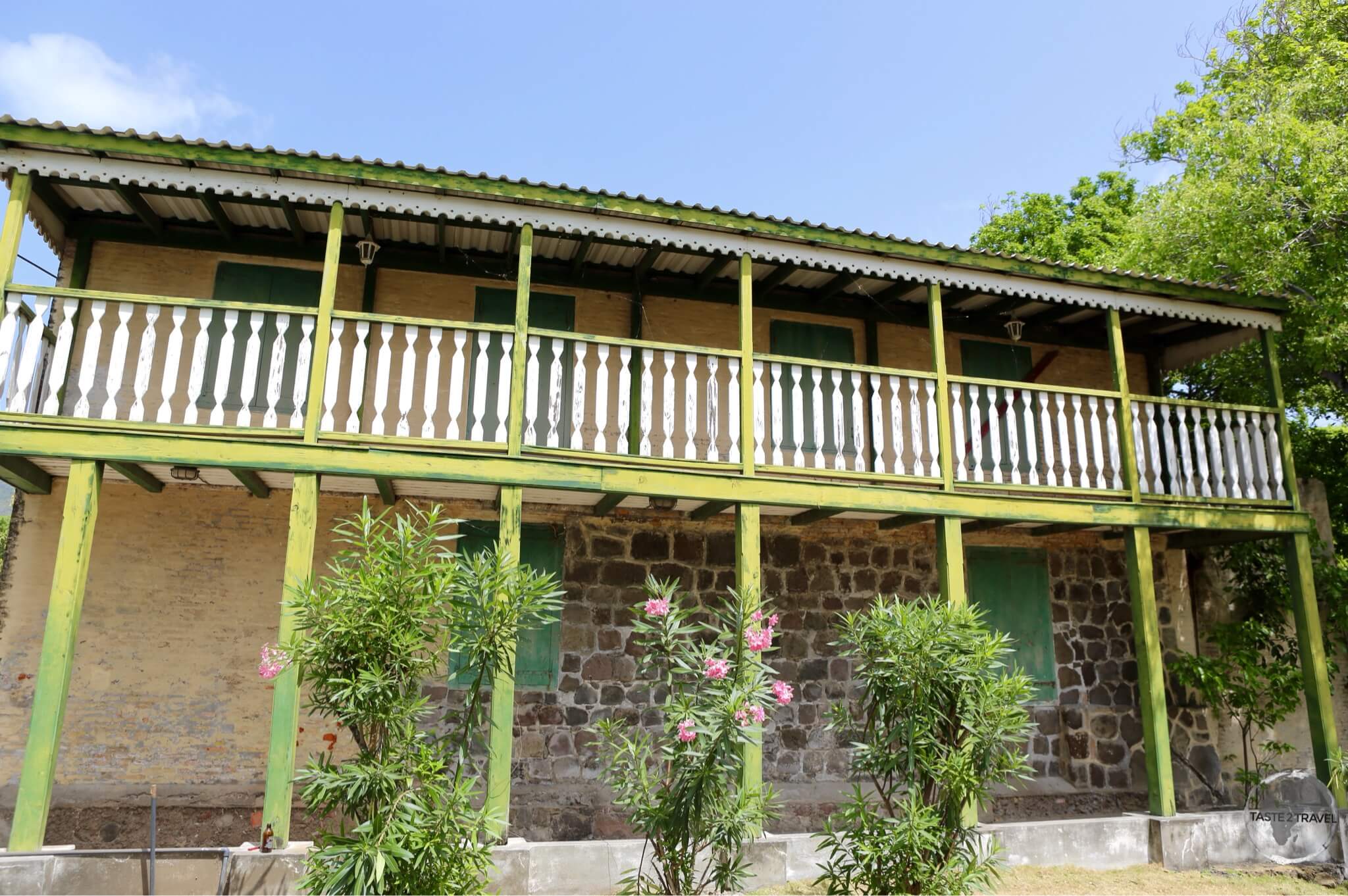
Colonial-era building on Sint Eustatius.
In 1636, the Dutch West India Company took possession of the island. By 1678 the company also held control of neighbouring Saba and Sint Maarten. The company established more than 70 plantations on Statia and imported slaves from West Africa as a labour source. Payment for the slaves was made using the now famous Blue Bead – see ‘Statia Blue Bead‘ section below. Most of the inhabitants of the island today are descendants of former slaves.

Display in the St Eustatius Historical Foundation Museum in Oranjestad.
Due to its “free port” status, its naturally deep harbour and perfect geographic location between Europe and America, Statia became one of the busiest ports in the world with thousands of merchant ships visiting. At the time the island supported a population of more than 20,000 people. It was at this time it earned the title, ‘The Golden Rock’.
Today the island is a clean, relaxed, unhurried, charming place. The locals are warm and friendly, you can walk most places and there is no crime.
Although Statia receives just a few thousand tourists each year, tourism is a key industry. Unlike its neighbours, the island is not known for its beaches, which are narrow and lined with grey volcanic sand. However the Eustatius National Marine Park, provides good diving from reefs to shipwrecks. Some divers even manage to find a blue bead – or the bead finds them. You can also hike to the top of the Quill.

Ruins of the Dutch Reformed church in Oranjestad which dates from 1755.
While you are on the island you can not help but notice the number of super tankers docked offshore. The island is home to a huge oil storage facility, which currently contains 67 storage tanks with a capacity of more than 13-million barrels.
With a natural deep-water harbour and a central geographical location (half way between North and South America), Statia is an ideal place for such a trans-shipment facility.
Statia Blue Bead

A Statia Blue Bead.
Back in the 17th century the Dutch East India Company used blue beads to acquire slaves from West Africa, who then later used the beads as currency on the island, and even sometimes to buy their freedom.
The beads were also used for barter purposes, it is said the Dutch used 24 of these blue beads for the purchase of Manhattan Island from the native Americans.
The beads were manufactured in Amsterdam by a glass manufacturer between 1660 and 1680 and were shipped around the world by the boatload. Some of those boats were destined for Statia. It is believed one of these boats became shipwrecked off the island and today the seafloor is littered with these beads.
It is also said the slaves threw their beads into the sea when slavery ended.
Occasionally these beads wash up onto the beaches of the island. It is said that “you do not find a blue bead but it finds you” and that those who possess such a bead will always return to the island.
Flag

The flag of Statia flying alongside the Dutch flag.
The flag of Statia features a blue field which is divided into four five-sided blue polygons. In the centre, within a white diamond, is a silhouette of the island in green with a five-pointed golden star.
Currency

The US Dollar.
The official currency of Statia is the US Dollar. ATMs are located in Oranjestad and at the airport, but can be unreliable; it’s best to bring cash, which is preferred by many establishments.
Sightseeing
Oranjestad

View of ‘Lower town’ from Fort Oranje.
The only town on the island, this sleepy little capital is home to the majority of the population, sites and tourist infrastructure. The town is perched high on a cliff overlooking the Caribbean sea and is divided into the ‘Upper Town‘ and ‘Lower Town‘.
All sites of Oranjestad can be covered on foot in half a day. These include:
Fort Oranje

The historic Dutch-built Fort Oranje in Oranjestad.
The first thing the Dutch did when they occupied St. Eustatius was to build a fort on a strategic corner of the cliff, overlooking the anchorage of Oranje Bay. This well preserved 17th century fort still retains its cannons and bastions and offers sweeping views along the west coast.
In its hey-day, the island sold arms and ammunition to anyone willing to pay. It was one of the few places from which the young United States could obtain military supplies during it’s revolution.
The good relationship between St. Eustatius and the United States resulted in the noted “First Salute” from Fort Oranje. A historical plaque from the “National Society, Daughters of the American Revolution” recognises the importance the fort played during the American revolution.
Dutch Reformed Church

The Dutch Reformed Church.
Located next to Fort Oranje, consecrated in 1775, this church has been in ruins since it’s roof collapsed during a hurricane in 1792.
Synagogue Ruins
Built in 1738, this is the 2nd oldest synagogue in the Western Hemisphere. “Honen Dalim”, which means ‘She Who Is Kind to the Poor’, was constructed as a place of worship for the influx of Jewish merchants who lived on the island when it was a major trading centre. A Jewish cemetery is located 50-m from the synagogue.
Government Guesthouse
Originally used as a Government guesthouse, this 18th century stone and wood building was completely renovated in the 1990’s and now houses government offices, including the offices of the lieutenant governor.
The St. Eustatius Historical Foundation

The St. Eustatius Historical Foundation Museum.
This museum provides an overview of the island’s history, from the pre-Colombian era to the present.

Displays at the St. Eustatius Historical Foundation Museum.
Lower Town Beach
Statia is not known for it’s beaches but the grey-sand beach in Lower Town provides snorkeling among the 18th-century ruins of a breakwater and warehouses. The beach is open and exposed to swells so snorkeling is not always possible. Lining the beach are the ruins of warehouses used in the days when the island was a major trading centre.

Warehouse ruins on the Lower Town beach at Oranjestad.
Accommodation
Accommodation is limited on the island, best to book in advance using an online agent such as booking.com
I stayed at the Golden Era Hotel, which is located directly on the Caribbean sea below the fort. The rooms here are tired and in need of renovation and overpriced but on this island, with limited options, you cannot afford to be picky.
The best hotel on the island is the Old Gin House, located next door to the Golden Era Hotel.
Eating Out
Statia is not blessed with any fine dining restaurants but the best in town is the Blue Bead Bar & Restaurant. This Italian restaurant does the best pizza on the island and the front porch is a great place to sit and watch the sunset.
Visa Requirements
Some nationalities require visas for Statia – check your visa requirements prior to arrival.
Getting There
By Air
The only airport on tiny Statia is F. D. Roosevelt Airport. Like the island, the airport is all very quirky. The tiny terminal is never busy, there are no queues, just a single room where you wait for your flight. When you arrive your luggage will be handed to you through a hole in the wall.
Immediately upon exiting you will find yourself on a sleepy suburban street. Maybe one of the 3 taxis on the island will be on the rank, if not you can ask airport staff to call one for you. Walking into town is totally do-able, a distance of 1-km.
The following airline provides international connections:
By Sea
There was a ferry service previously operating between St. Martin and Statia but that is currently suspended.
The only other way to arrive by sea is by private yacht or cruise ship.
Getting Around

A Statia License Plate.
There is no public transport on the island. A few taxis are available but should be booked in advance. If you take a taxi from the airport to your downtown hotel you should arrange for the same driver to take you back to the airport when you depart. Taxis are not metered but have fixed prices.
Car Rental is available, however the island is small enough that you can walk most places.
Safe Travels!
Darren
Follow me on Instagram:
Further Reading
Other travel reports from the Caribbean region include:
Sint Eustatius (Statia) Travel Guide Sint Eustatius (Statia) Travel Guide Sint Eustatius (Statia) Travel Guide Sint Eustatius (Statia) Travel Guide Sint Eustatius (Statia) Travel Guide Sint Eustatius (Statia) Travel Guide