Turks and Caicos Travel Guide
Welcome to the taste2travel Turks and Caicos Travel Guide!
Date Visited: June 2015
Last Revised: June 2026
Introduction
Located away from the well-trodden Caribbean island-hopping route, the Turks and Caicos Islands (TCI) are a British Overseas Territory. They form the eastern end of the Lucayan Archipelago, alongside neighbouring Bahamas. The islands reportedly take their name from the Turk’s Head Cactus, which grows in the region’s dry soil.
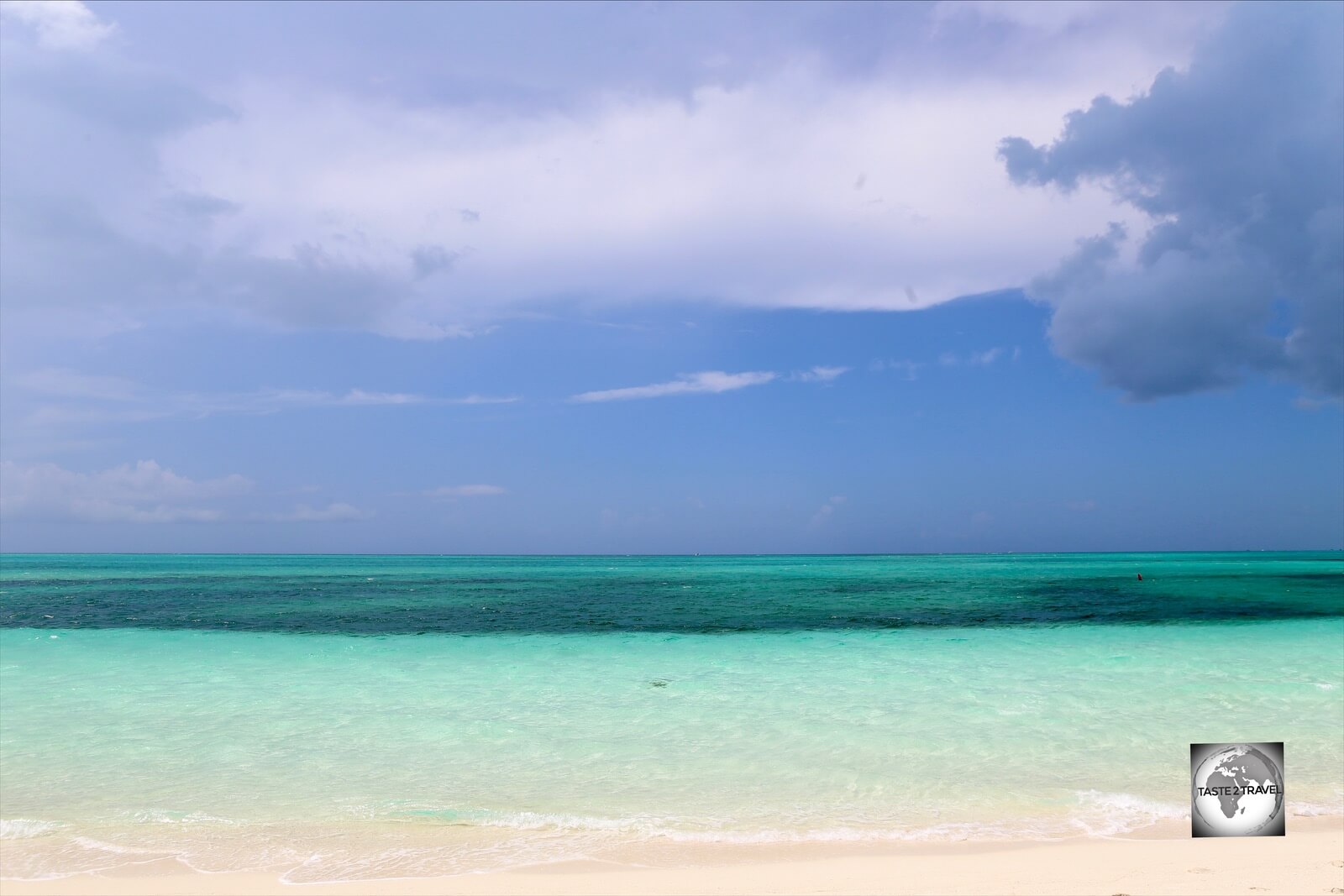
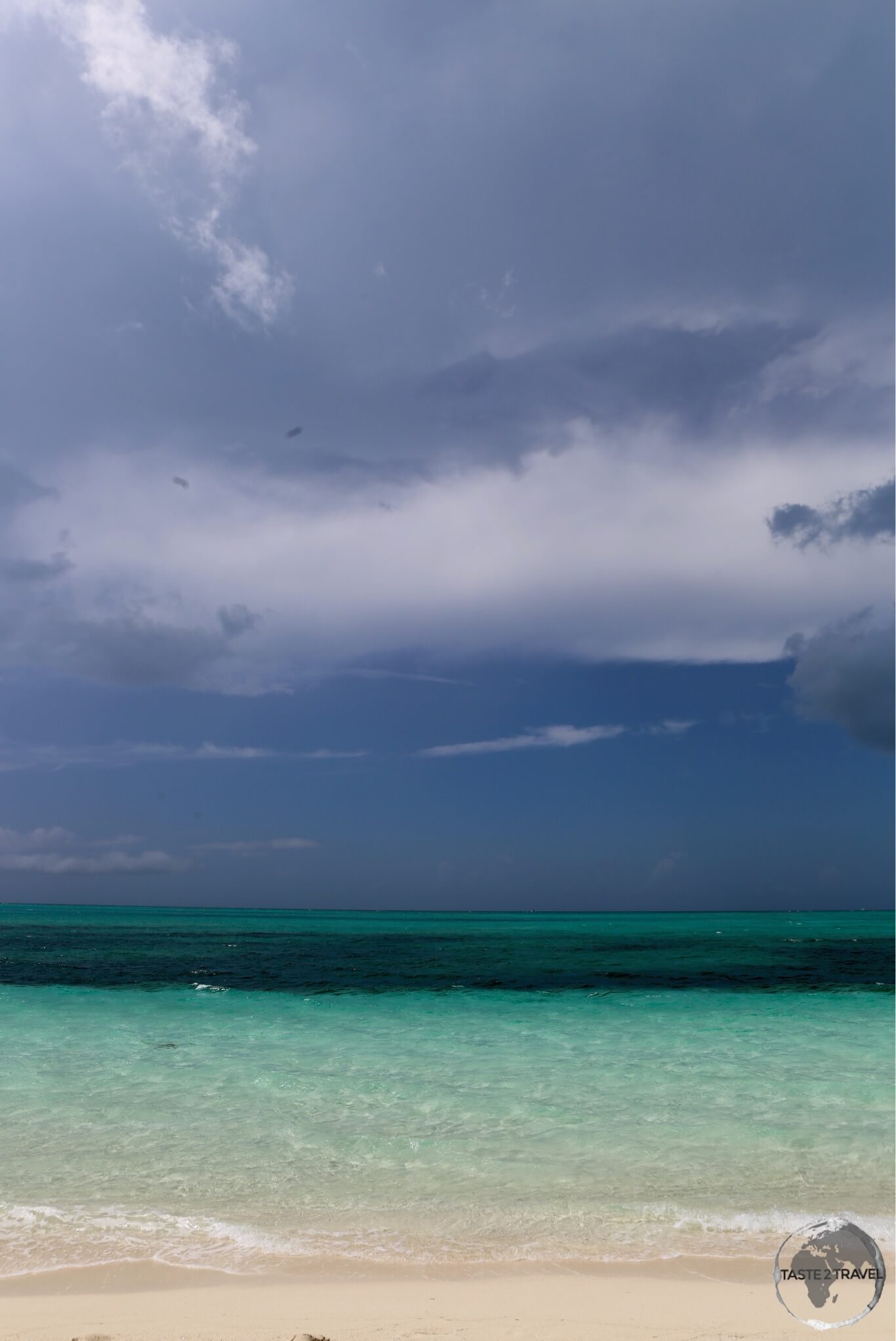
A raised limestone shelf, Provo island is surrounded by pristine turquoise water.
TCI comprises 40 islands and cays scattered across 60 km of brilliant turquoise water. However, only eight islands have permanent inhabitants. Around 31,000 people live across the islands. In addition, TCI welcomes approximately 450,000 air travellers and 650,000 cruise-ship passengers each year.
The two main islands are Grand Turk and Providenciales. This guide focuses on Providenciales, which locals and visitors commonly call Provo Island.
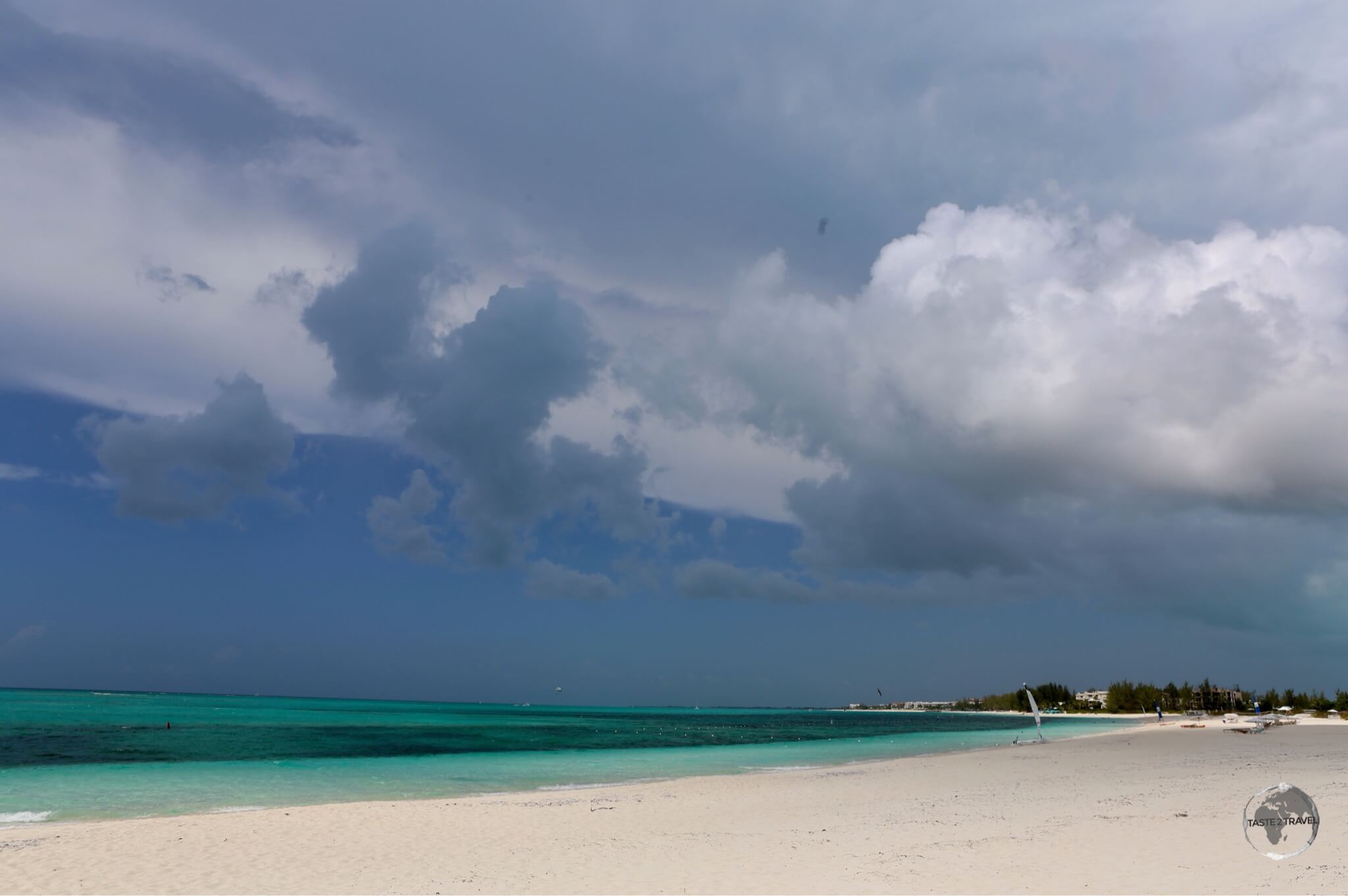
Stormy skies over ‘The Bight’ beach, one of the best beaches on Provo island.
Provo is the most developed island. It also serves as the main arrival point for most international visitors. The island consists mainly of low, flat limestone and features a coastline lined with white-sand beaches. Provo measures about 37 km long and 7 km wide. Getting around this compact island is easy. Traffic is light, roads are excellent, drivers are generally courteous, and signs help you find your way. However, Provo has no public transport, so you will need a car if you want to explore the island independently.
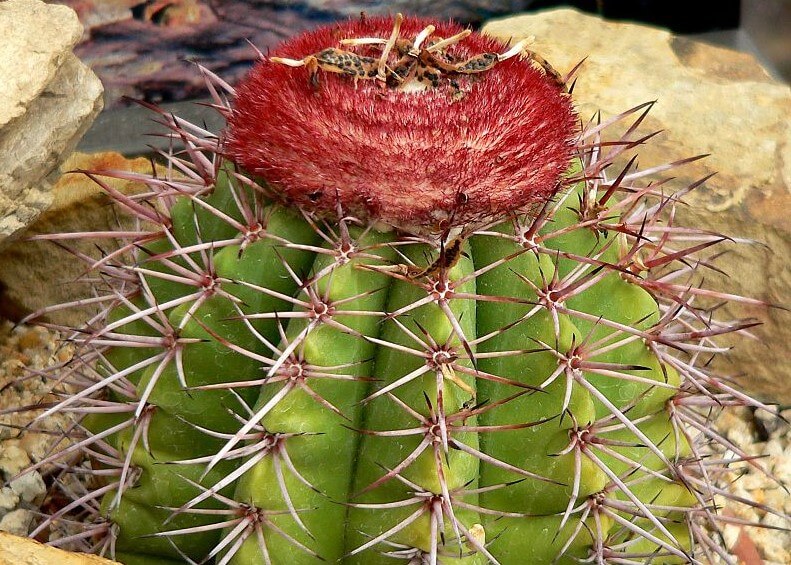
Turks head cactus on Provo island.
Location
TKCA 1ZZ, Turks and Caicos Islands
The Turks and Caicos Islands lie in the Atlantic Ocean, rather than the Caribbean Sea. They sit about 925 km south-east of Florida and 144 km north of Hispaniola. Meanwhile, the Caicos Passage separates the islands from the nearest Bahamian islands, Mayaguana and Great Inagua.
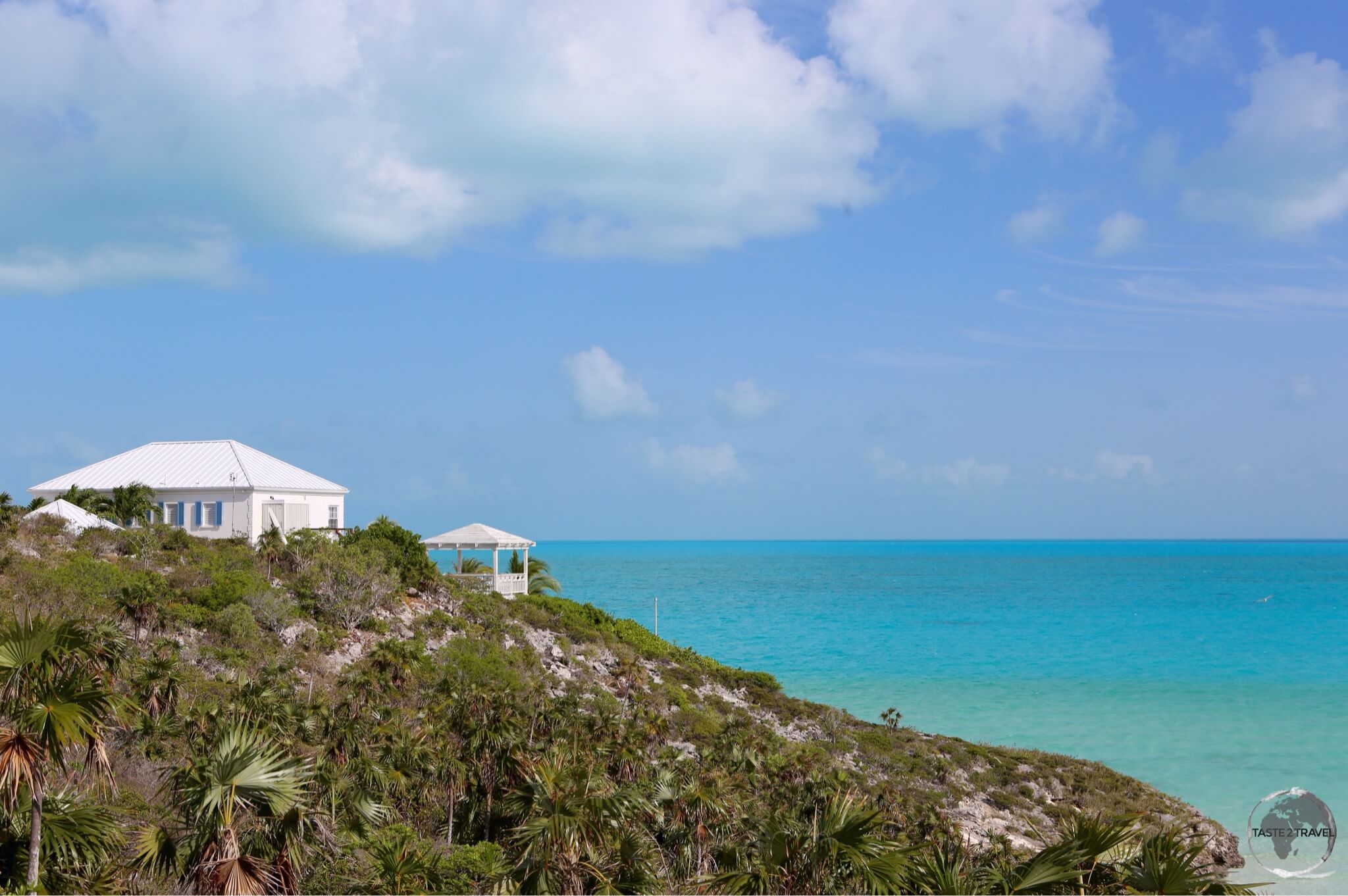
A view over the south coast of Provo island.
History
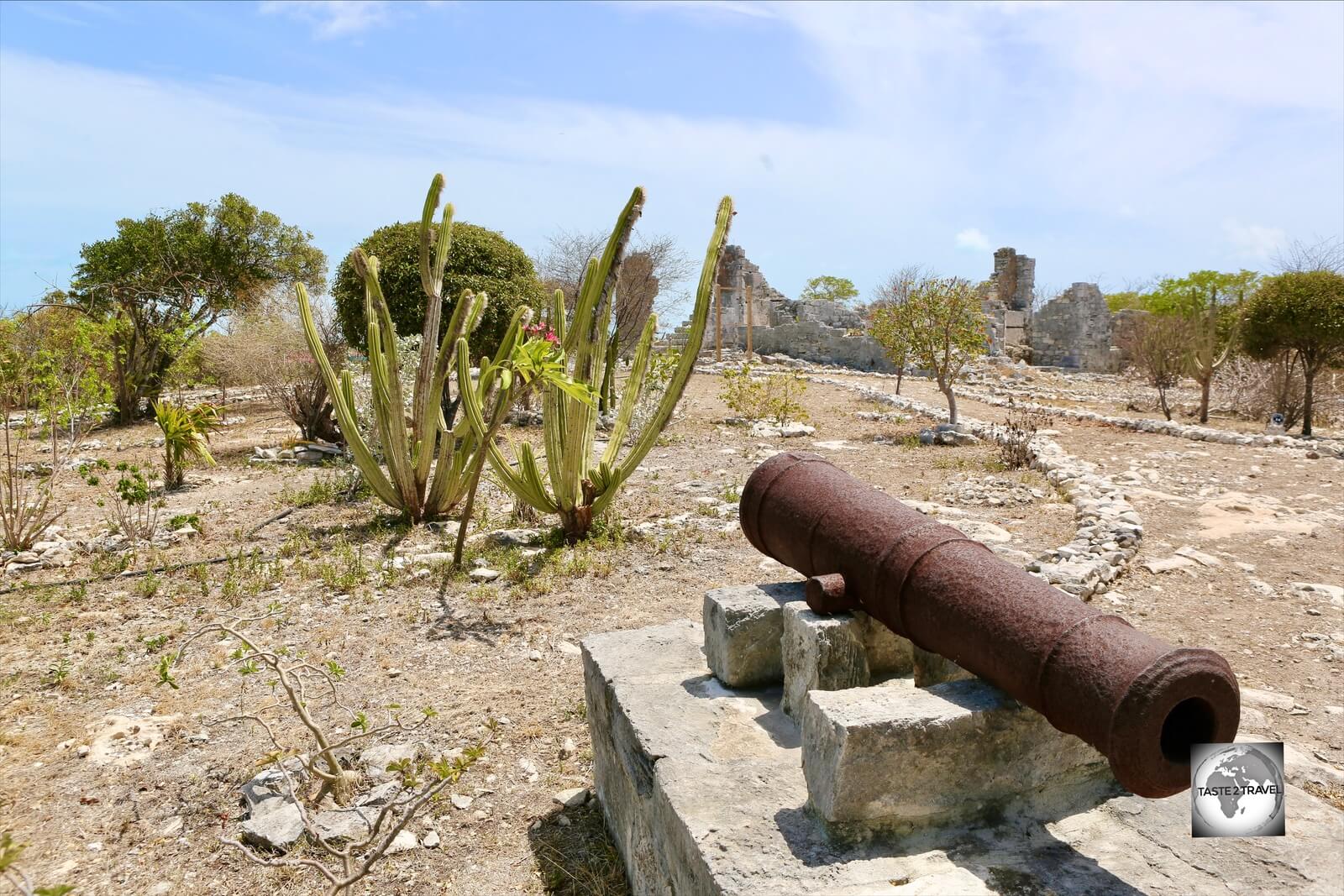
A British canon on Provo Island.
Indigenous Settlement
Like many islands in the region, TCI was first inhabited by Indigenous peoples, including the Taino. The Taino spoke an Arawakan language and migrated through the Antilles from what is now Venezuela. They crossed from neighbouring Hispaniola to TCI sometime between AD 500 and 800. At around the same time, other Taino groups migrated from Cuba to the southern Bahamas. Over time, these communities developed into the Lucayan people.
European Discovery
Christopher Columbus was the first European to visit the islands. He landed on Grand Turk during his first voyage to the Americas in 1492. No European settlement followed. Instead, the next recorded contact came in 1512, when Juan Ponce de León visited the islands.
After the islands became known to Europeans, Spanish slave raiders from nearby Hispaniola frequently attacked them. They enslaved Taino people to replace the Indigenous population that had been largely depleted on Hispaniola. These raids devastated the population. By 1513, the southern Bahamas and TCI had been depopulated, and they remained largely uninhabited until the 17th century.
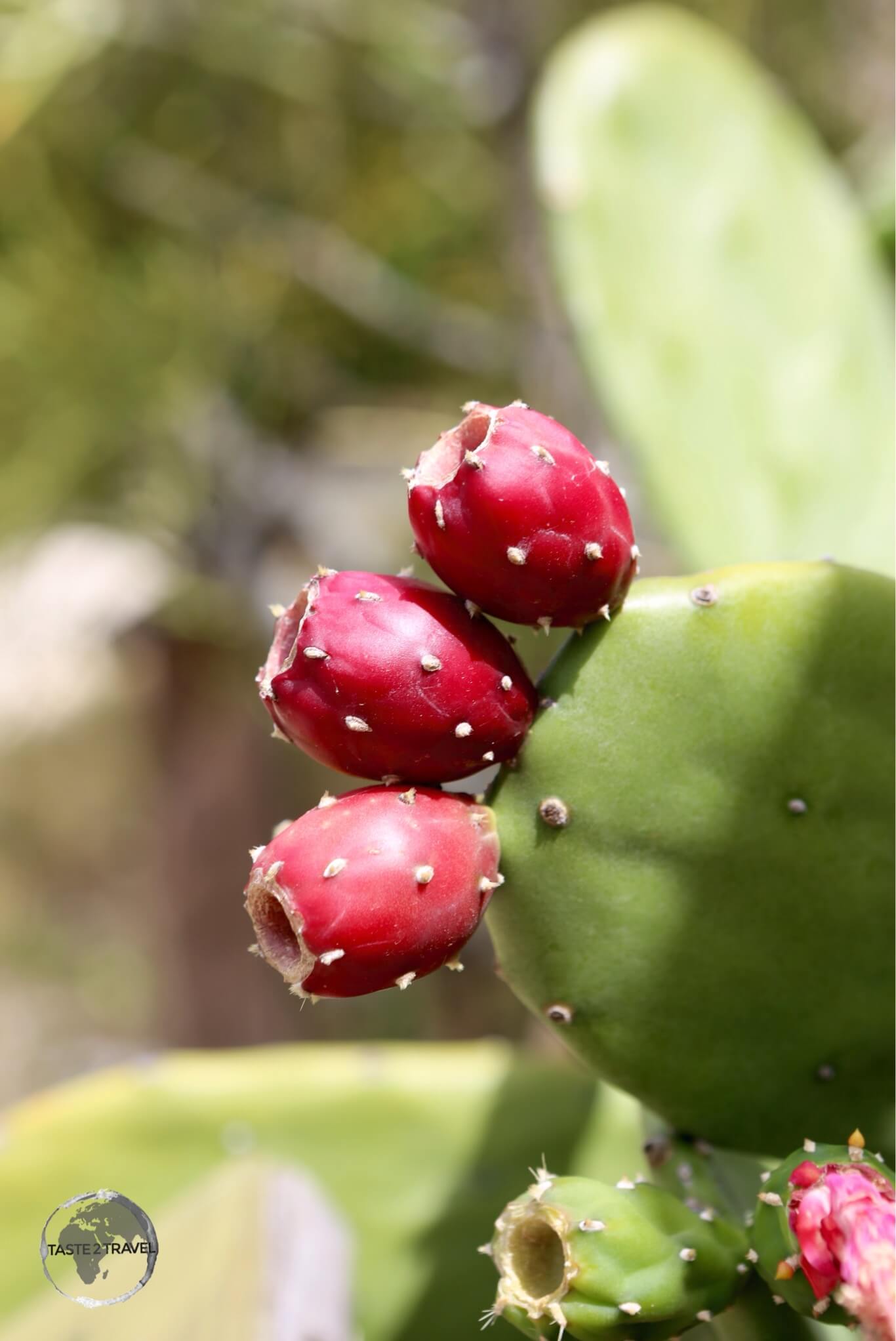
Dry and arid, Provo island is covered with different species of cacti.
Salt Production
During the 16th, 17th and 18th centuries, control of the islands shifted between Spain, France and Britain. However, none of these powers established permanent settlements. The first temporary settlements appeared in 1681, when seasonal salt workers arrived from Bermuda. These workers came to harvest salt. The shallow waters around TCI made salt production easier than it was in Bermuda. They stayed for about six months each year, then returned to Bermuda when the salt harvest became impractical.
Their seasonal presence helped establish the British dominance that continues today. The Bermudians also cut down large numbers of trees in an attempt to reduce rainfall that could disrupt salt production. The effects of this deforestation have yet to be fully reversed. Salt production became an important industry for both Bermuda and the Bahamas.
For much of the 18th century, the two British colonies were effectively in a state of dispute. They fought a lengthy legal battle over ownership of TCI and its valuable salt pans.
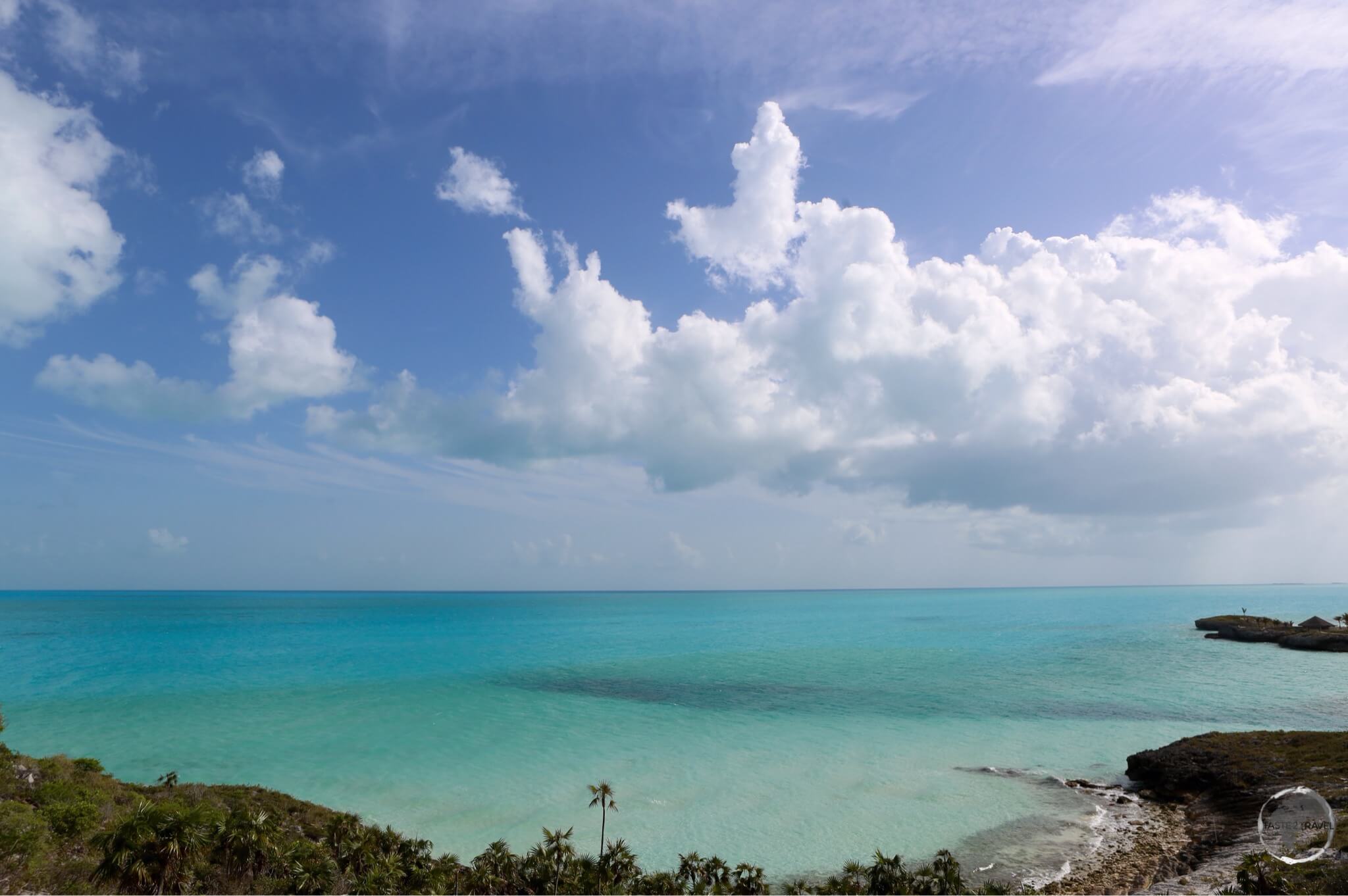
A view over the south coast of Provo Island.
British Control
Several factors eventually drove the Bermudians away. French privateers raided salt-laden ships, powerful hurricanes destroyed settlements and salt pans, and the islands lost their key market in the United States.
The British government eventually placed the islands under the political control of the Bahamas. TCI remained part of the Bahamas until 1848. That year, residents successfully petitioned for separate colonial status, with a council president supervised by the governor of Jamaica. The islands remained a dependency of Jamaica until 1959, when they gained their own administration. When Jamaica became independent from Britain in August 1962, the Turks and Caicos Islands became a crown colony.
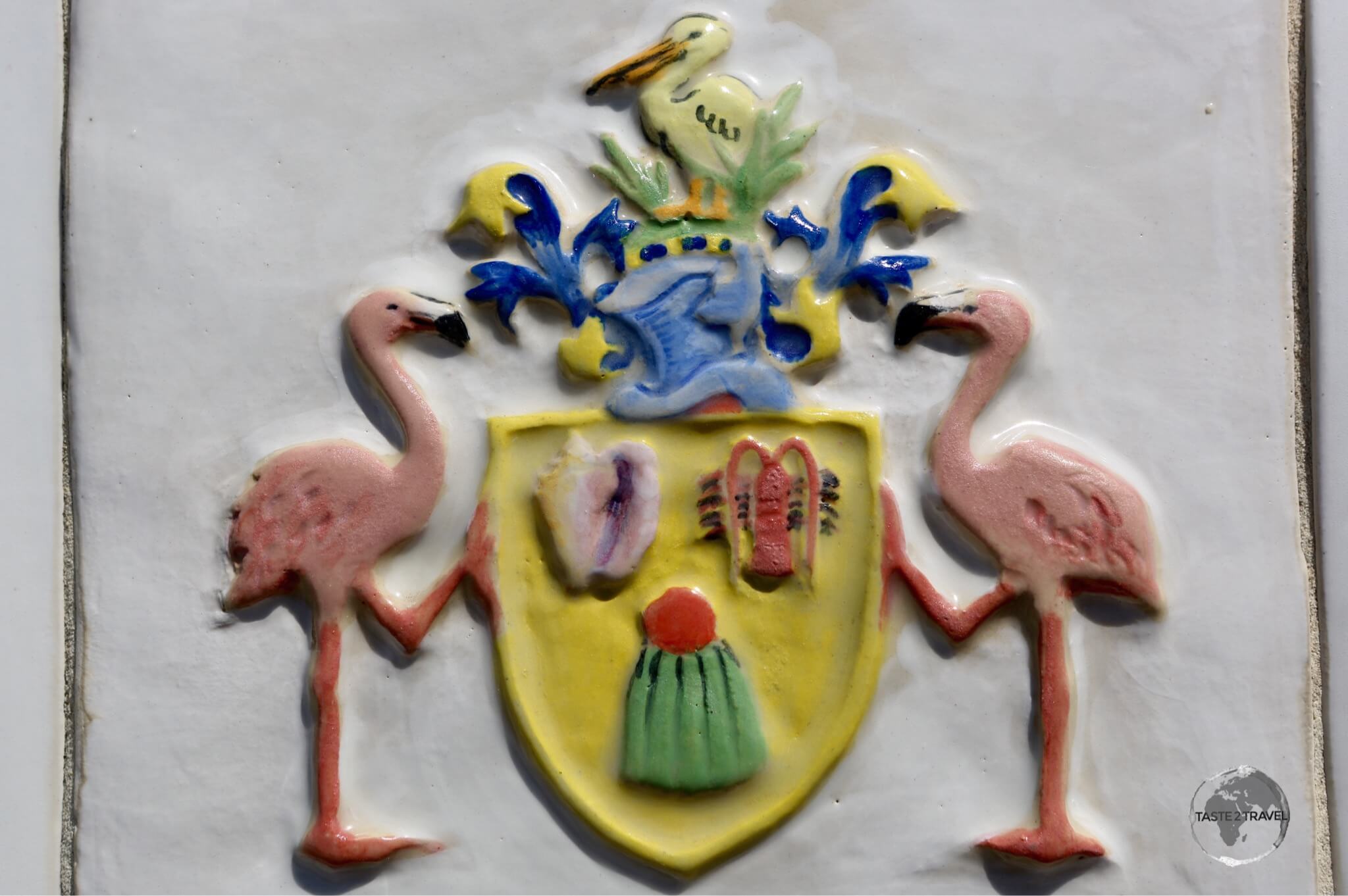
The TCI coat of arms features the Turks Head cactus.
Until the 1960s, the islands had little economic activity and their population grew slowly. Then, a small number of tourists began to arrive, providing a new source of income alongside salt production.
American investors financed the construction of an airport on Provo, which later became the islands’ main international gateway. They also built the island’s first hotel. Together, these developments marked the beginning of a tourism industry that has since become the islands’ main economic activity.
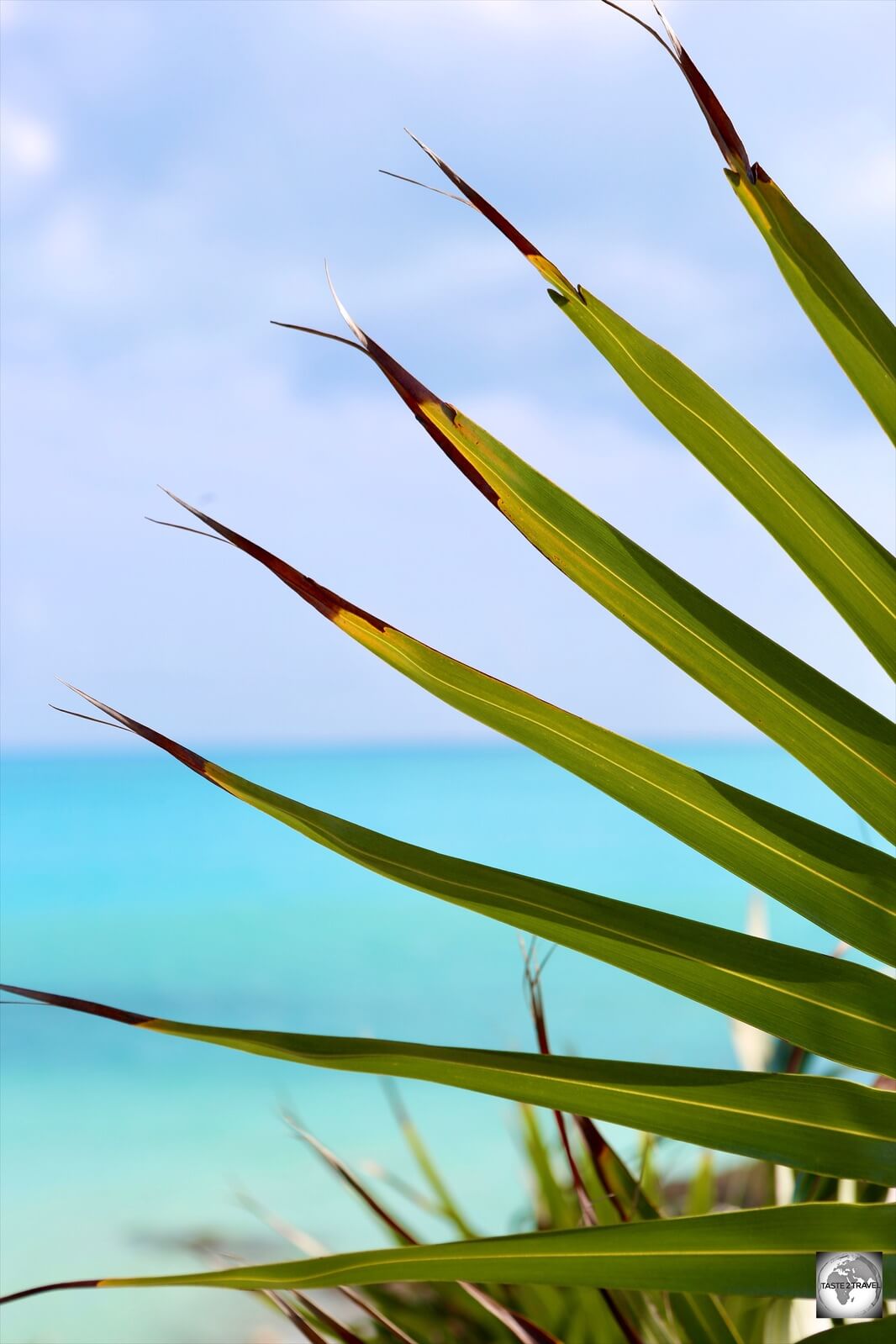
Another beautiful day on TCI.
TCI Today
Today, TCI is a modern, well-developed destination. It is also regarded as safe, with one of the Caribbean’s lowest crime rates, although prices can be high.
Provo has a population of around 24,000 and retains a relaxed, laid-back atmosphere. Locals are generally respectful and courteous. Meanwhile, traffic remains manageable, and the magnificent white-sand beaches are often uncrowded.
TCI is a special destination, and it is well worth stepping away from the usual Caribbean island-hopping route to discover it.
Flag
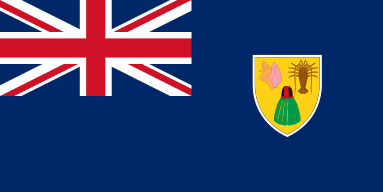
The flag of Turks and Caicos Islands.
The flag of the Turks and Caicos Islands has a blue background, with the Union Jack in the upper-left corner. The flag also features the islands’ coat of arms, displayed on the right-hand side.
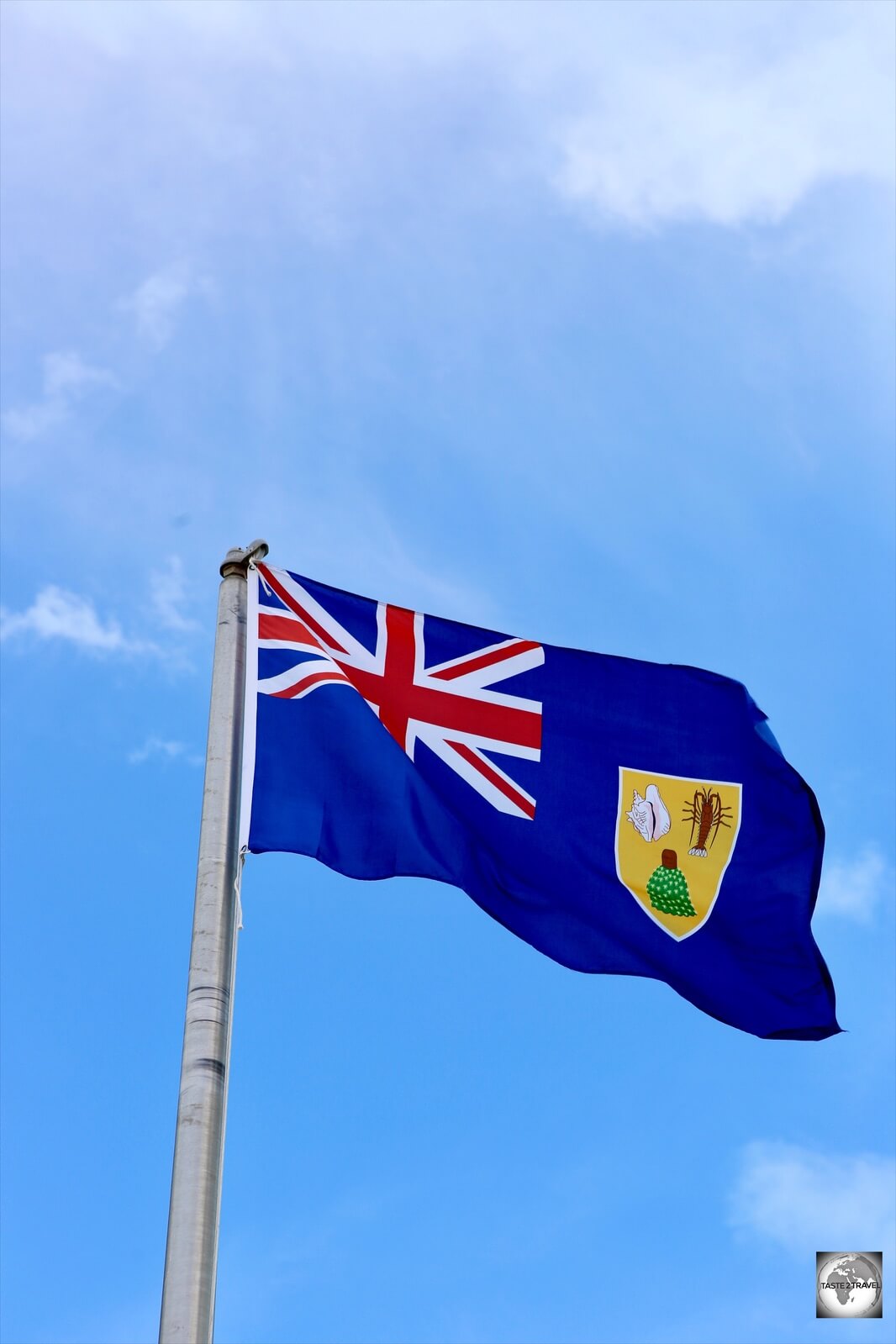
The flag of TCI flying on Provo Island.
Granted on 28 September 1965, the coat of arms features a yellow shield bearing a conch shell, a lobster and a Melocactus cactus. The Melocactus resembles a traditional Turkish fez, which inspired the first part of the islands’ name.
Currency

The US Dollar.
Although TCI is a British territory, its official currency is the US dollar. You will not find foreign-exchange counters at the airport or elsewhere on Provo, apart from at banks. ATMs are available; however, they may not always work reliably. Therefore, it is best to exchange money before arriving on the islands.
Offshore Finance

The Turks and Caicos Islands have become a popular destination for offshore investment. As a zero-tax jurisdiction, the islands impose no direct taxes in many areas and place few restrictions on monetary exchanges.
However, these relatively relaxed financial rules have also created challenges for the territory, which remains under British sovereignty. During the 1990s, the islands received negative publicity over money laundering. Following intervention by the British government, these problems subsided.
Around Providenciales Island
Grace Bay
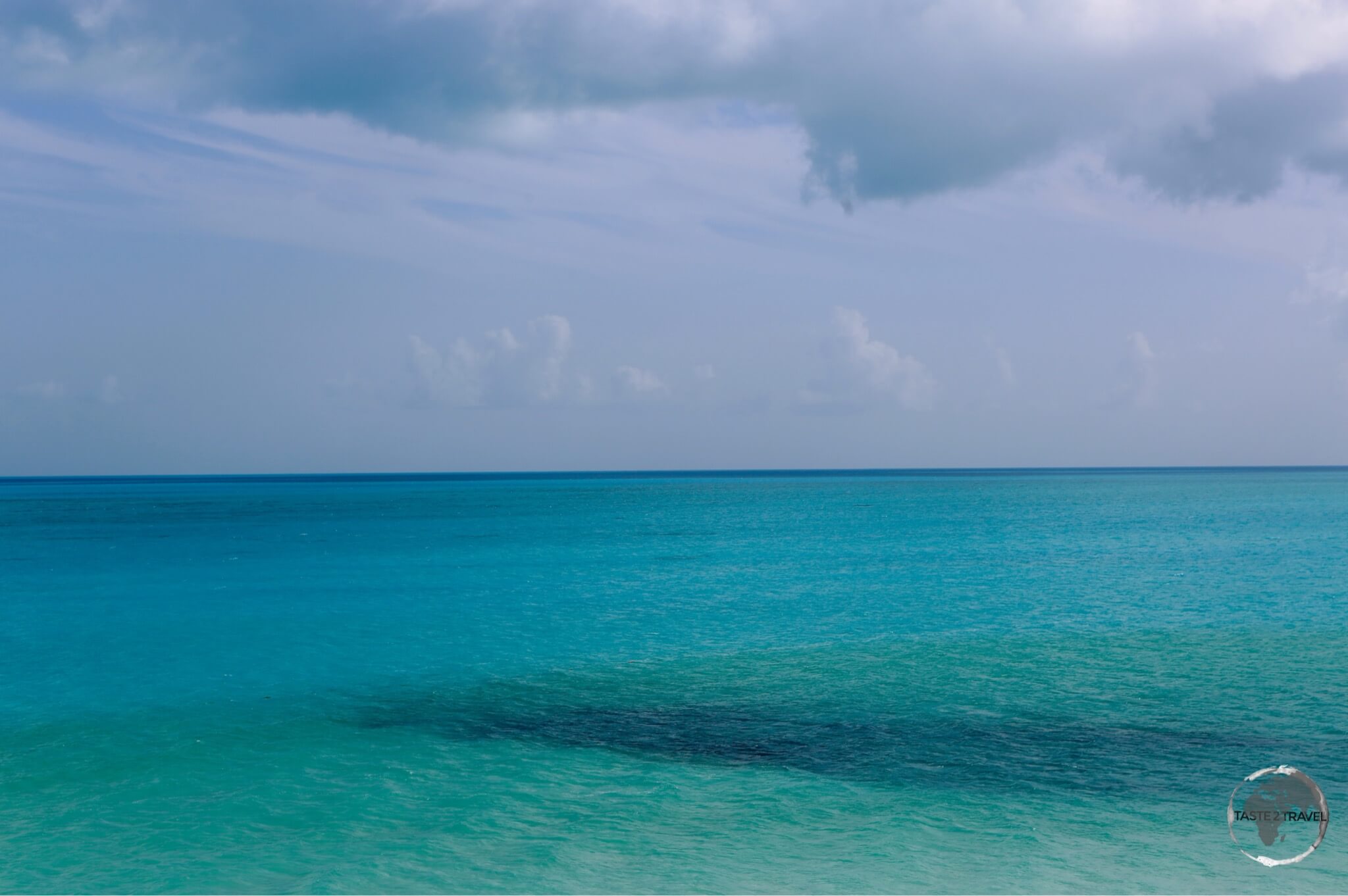
Fringed by white sand beaches, Provo island is surrounded by the most dazzling, azure blue seas.
Grace Bay is Provo’s main tourist centre. Tourism here began to take off in 1984, when Club Med opened a resort beside the beautiful white-sand beach. The beach stretches for around 20 km along the coast.
Exclusive resorts occupy much of the shoreline, making the area a favourite with luxury travellers. In the village, you’ll find Provo’s largest concentration of restaurants, bars, cafés and shops. As a result, Grace Bay is an ideal place to spend an evening.
The Bight
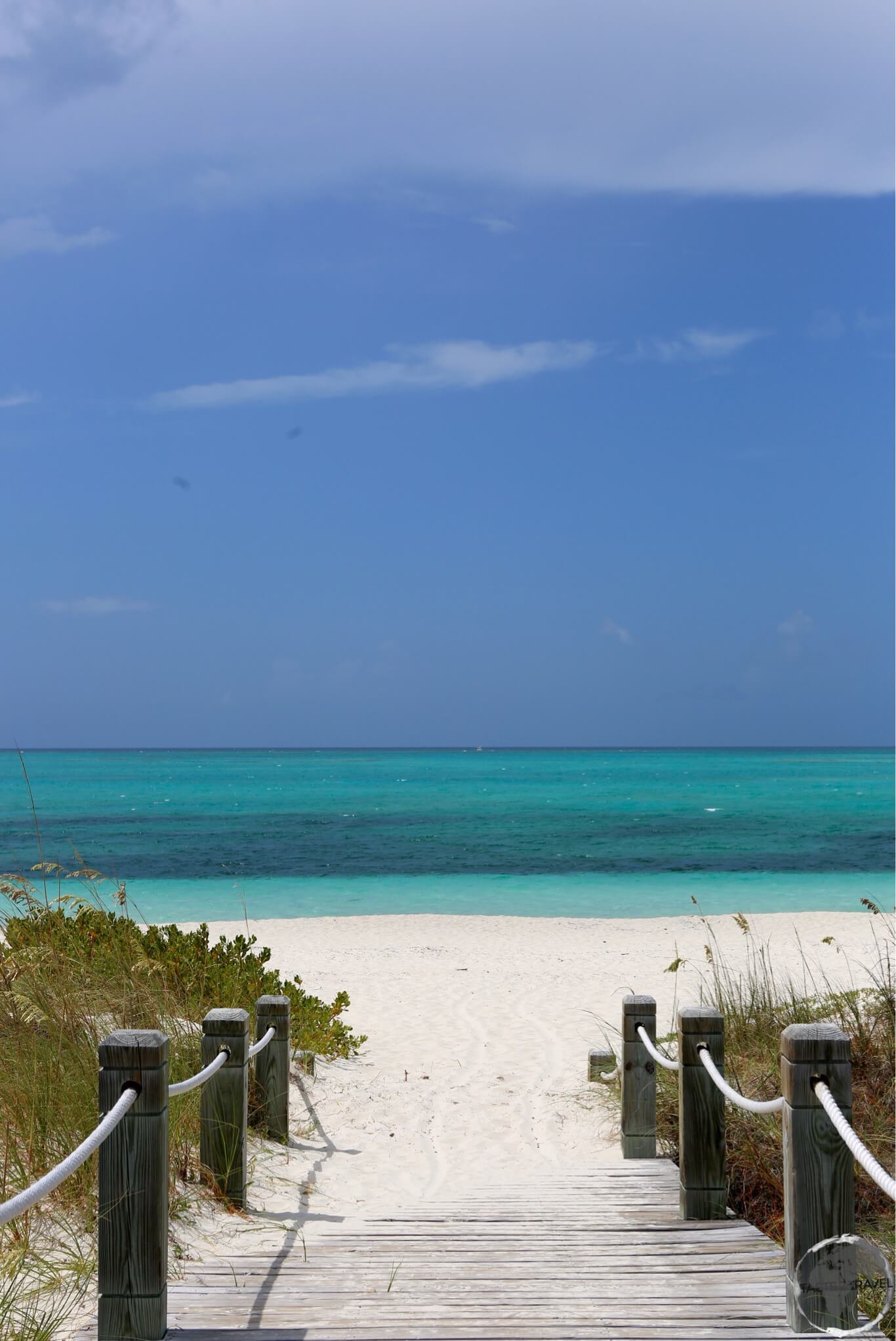
The stunningly beautiful ‘The Bight’ beach, was located a short walk from my condo.
The Bight lies on the central north coast, between Grace Bay and Turtle Cove. This 2.5-km beach features a broad sweep of white sand and calm, clear turquoise water.

Stormy skies over The Bight beach.
Because development along the beach remains limited, it is often quiet and uncrowded. Near one of the car parks, a small garden showcases shrubs and plants native to TCI.
Turtle Cove
Turtle Cove lies on the north coast, west of The Bight. For some of Providenciales’ best beach snorkelling, head about 50 metres offshore to Smith’s Reef. The reef sits in shallow, protected water, making it suitable for beginners. At the same time, its marine life and coral formations offer plenty to interest experienced snorkellers.
Long Bay
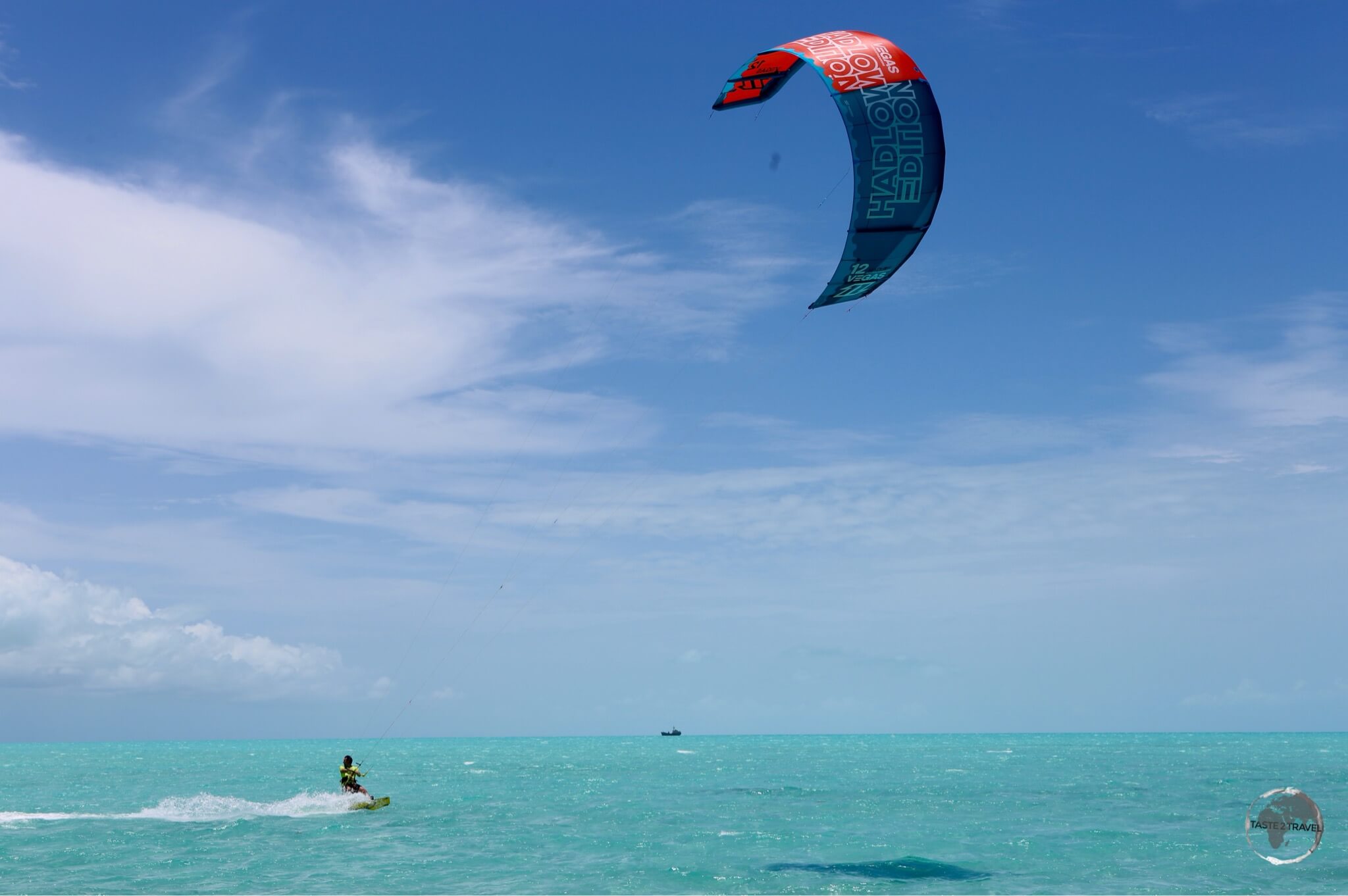
Kite-boarding is a popular activity on windy Long Bay.
On the island’s more exposed, southern windward coast, Long Bay remains largely undeveloped, apart from a large luxury resort at the beach’s northern end. Thanks to its steady winds and relatively secluded setting, Long Bay is becoming a popular Caribbean destination for kiteboarding.
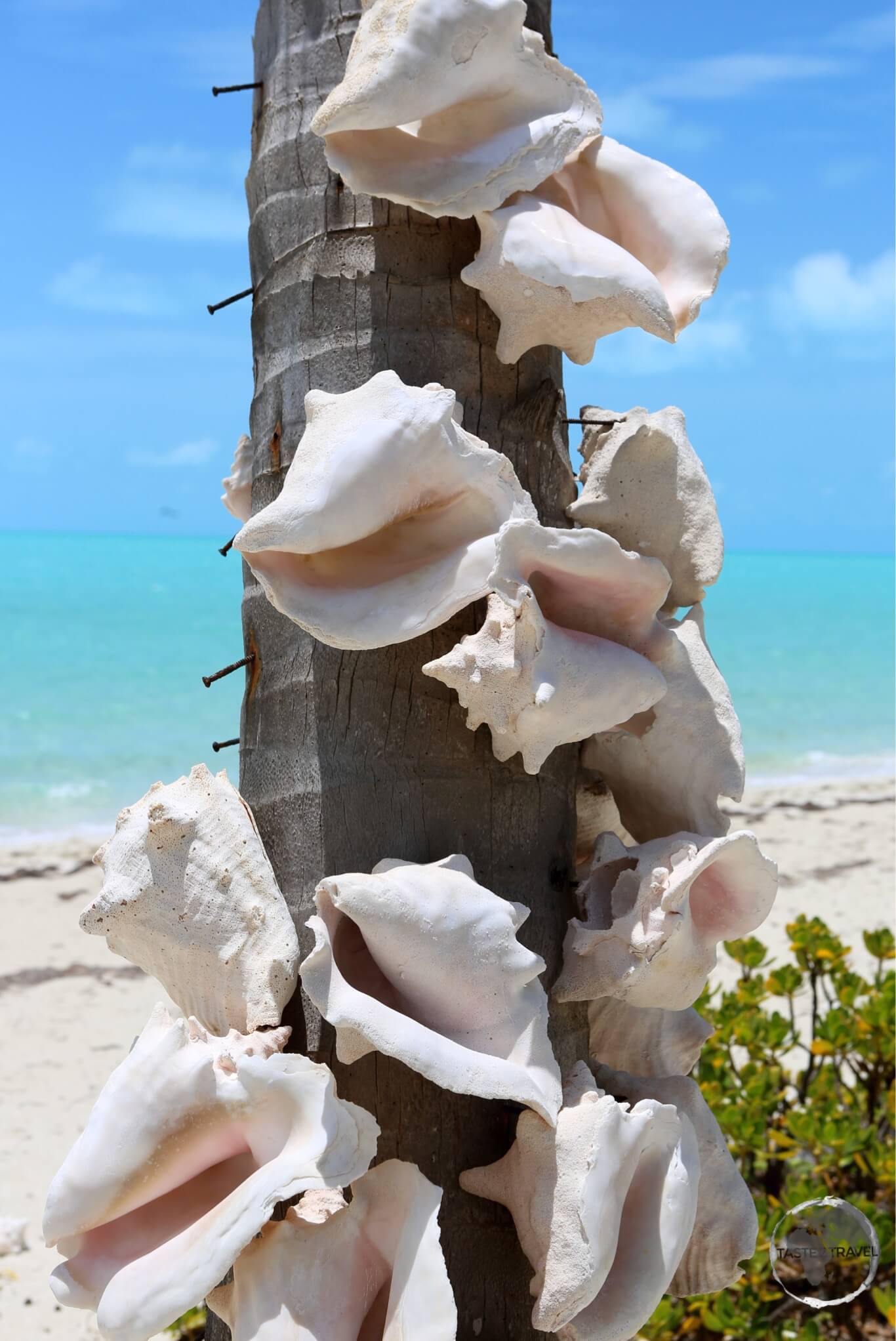
Conch shell decoration on Long Bay.
The beach offers 5 km of uninterrupted, fine white sand. The water is shallow, usually one to two metres deep, and remains crystal clear and calm. There are no facilities on the beach, so bring everything you need for your visit. You’ll find parking at the northern end, where a boardwalk connects the car park with the beach.
Sapodilla Bay
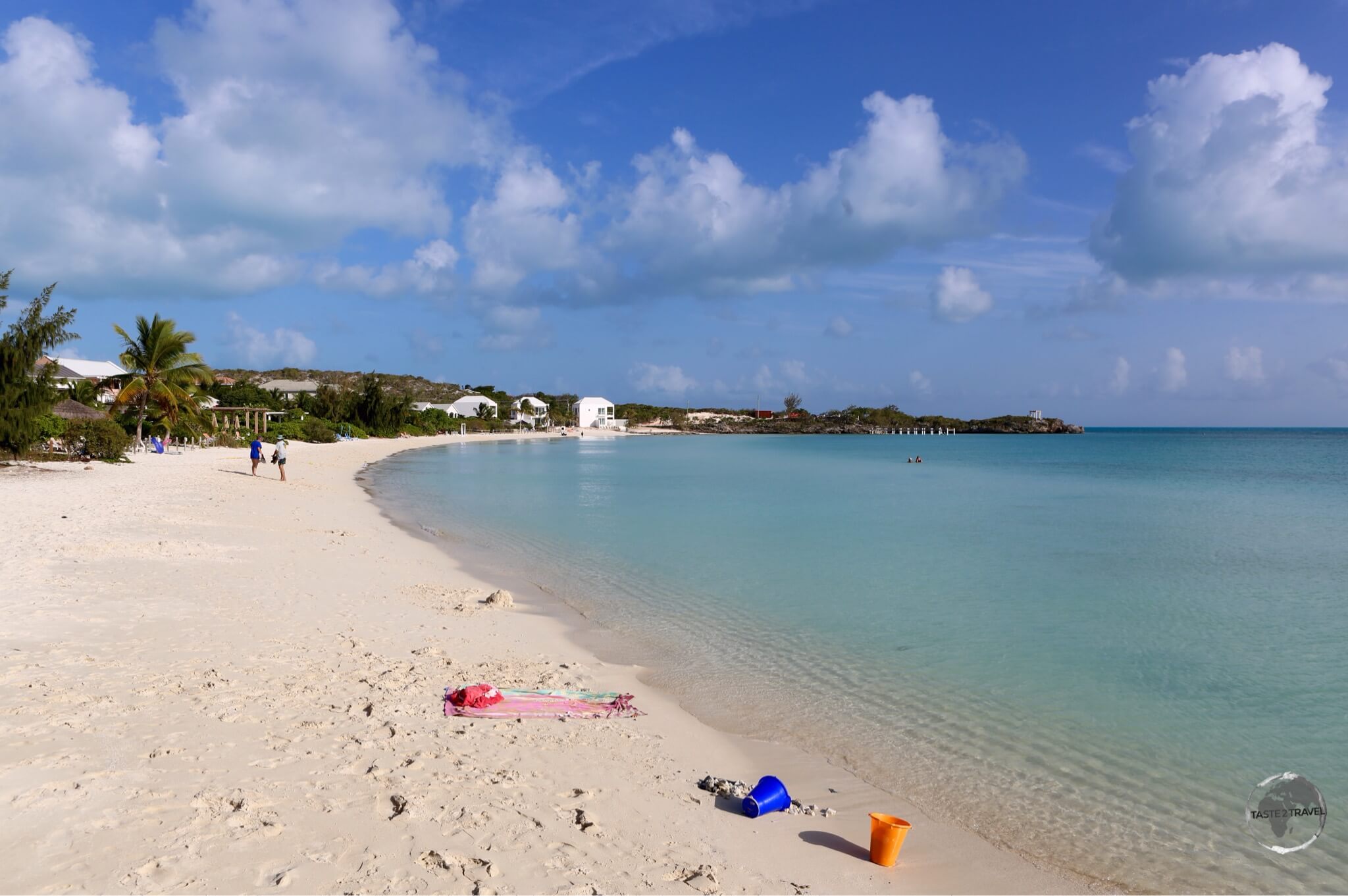
The calm waters of Sapodilla Bay are popular with families.
On the south coast, Sapodilla Bay curves around a wide, sheltered bay. Its white-sand beach stretches for about 275 metres. The water is shallow, calm and clear, making the beach a popular choice for families.
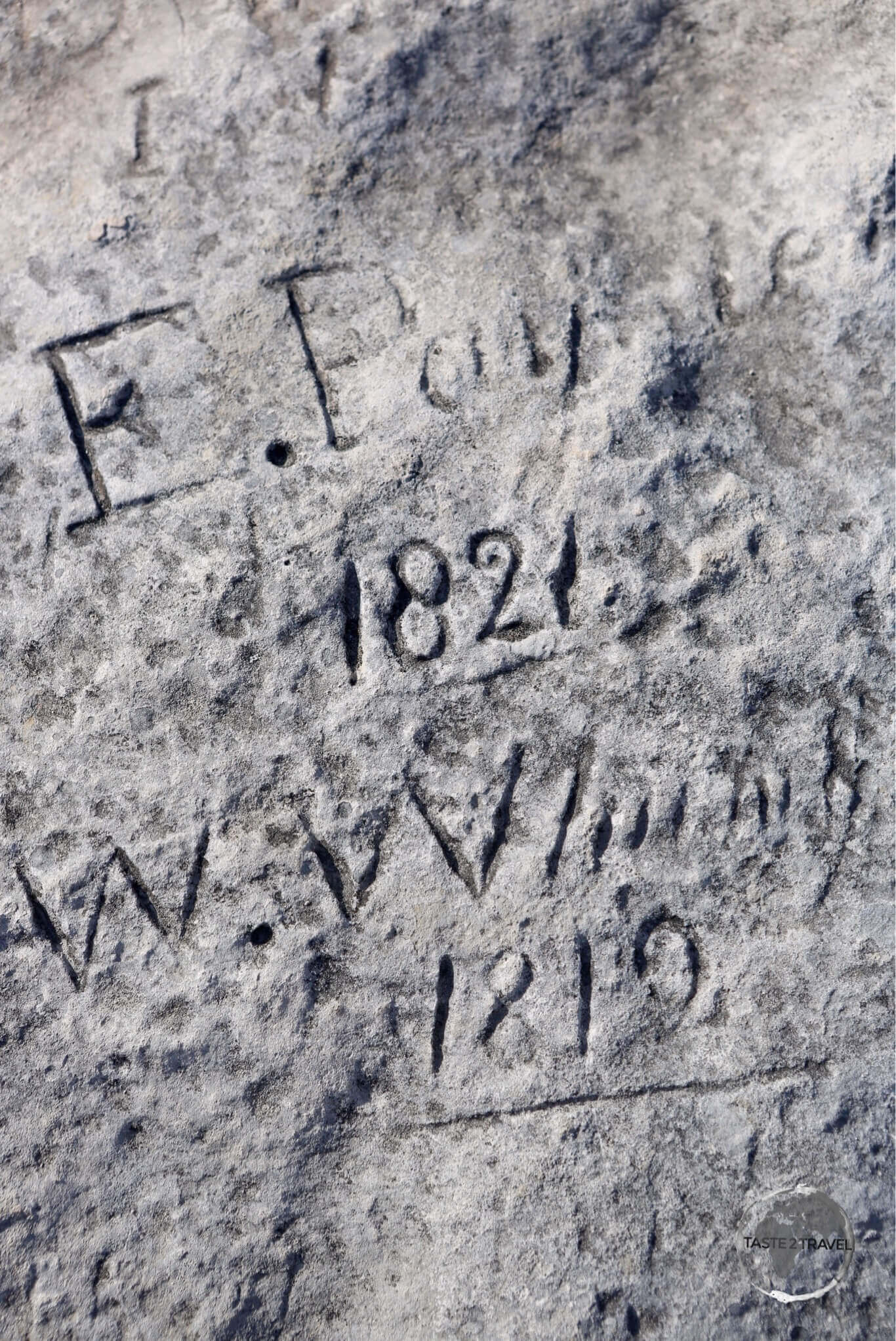
Colonial-era graffiti at Sapodilla Bay.
From the beach car park, climb a small hill to see boulders marked with graffiti left by shipwrecked sailors in the 19th century.
Accommodation
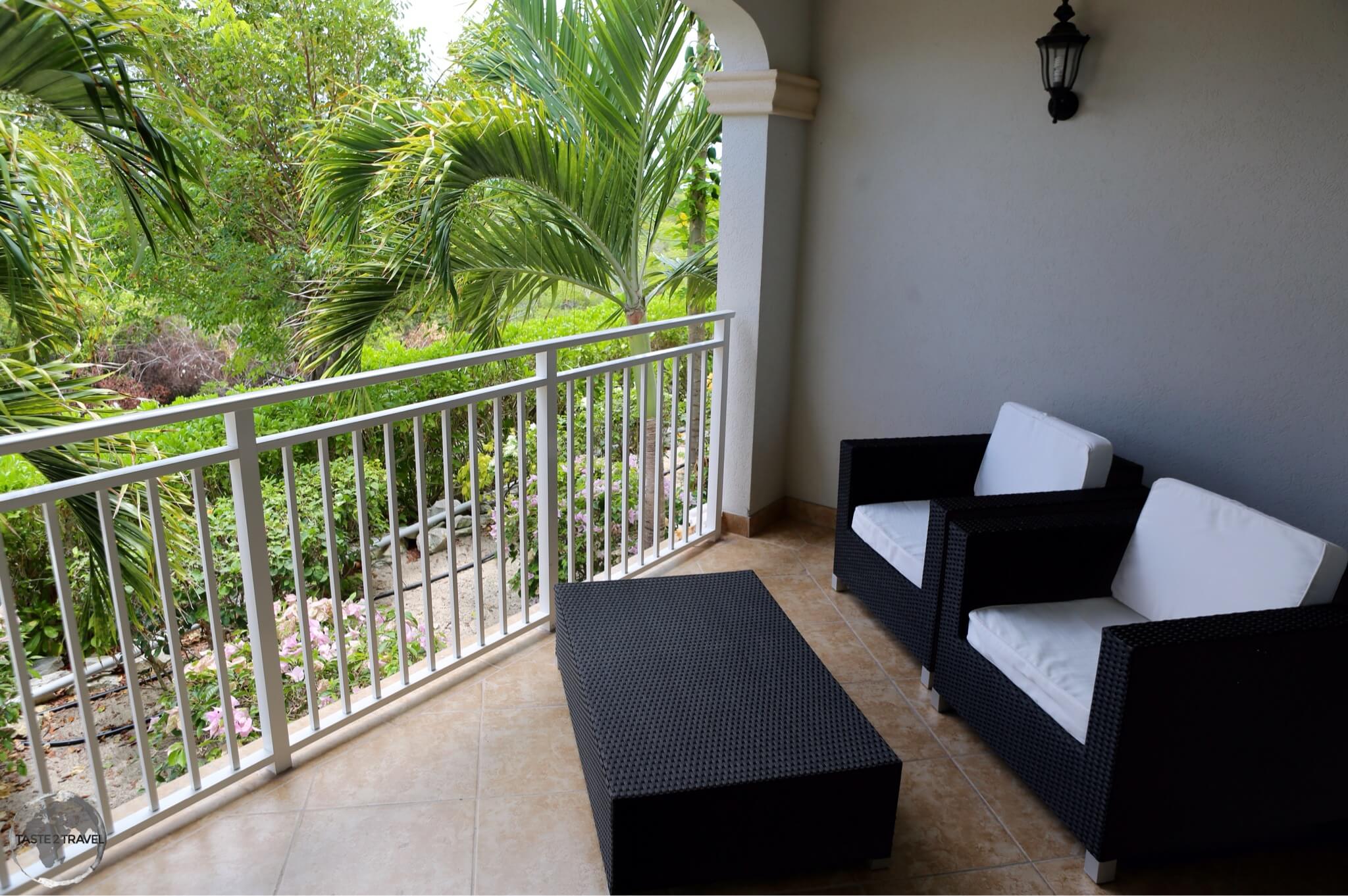
The balcony of my comfortable Condo on Provo island.
Accommodation in TCI is expensive. The islands have built a reputation as a luxury destination, particularly for wealthy travellers and honeymooners.
Budget options are limited, although you may find some affordable private rentals on Airbnb. Options include all-inclusive hotels, resorts, condominiums and private villas. However, don’t expect to find cheap hostels here.
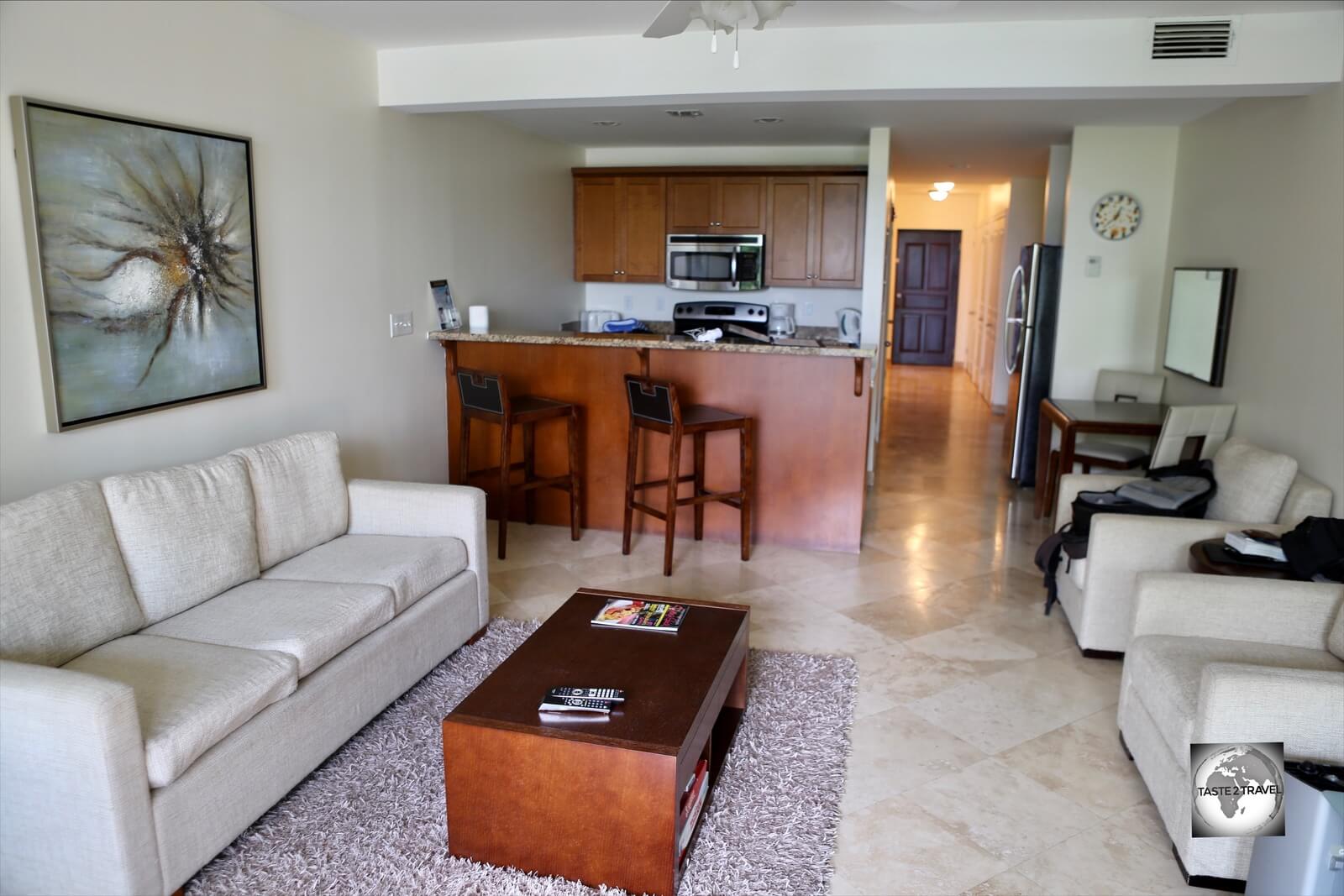
A view of my comfortable condo on Provo Island.
During my stay on Provo, I chose La Vista Azul Resort, a condominium complex in beautiful Turtle Cove. From there, I could walk to The Bight and Smith’s Reef. Condo owners rent their properties to holidaymakers. A friendly on-site property manager oversees the rentals.
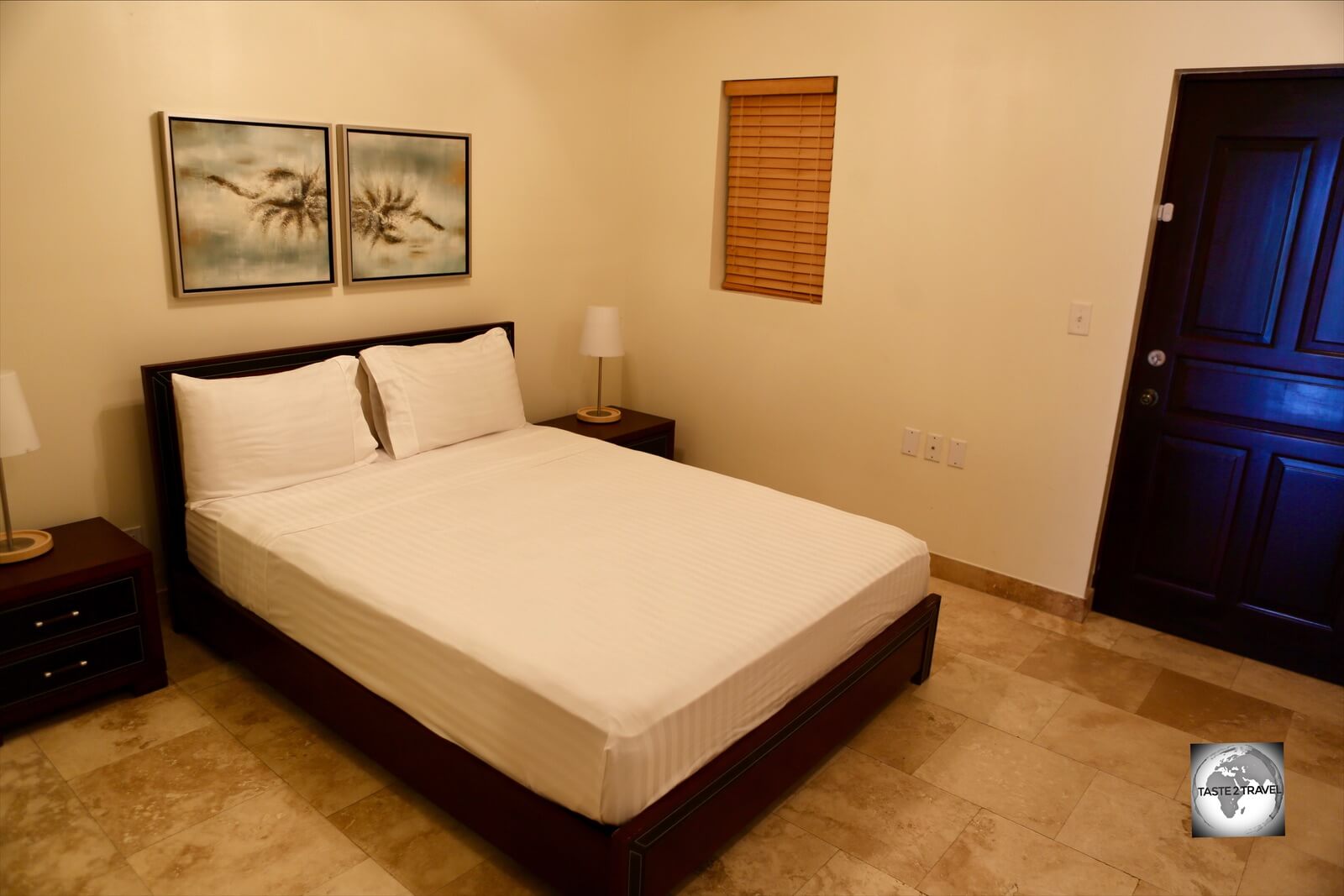
The bedroom of my condo.
If you’re interested in investing in a condominium in a modern, tax-friendly destination, you can speak with the property manager for more information. I would happily recommend staying here, provided it fits your budget. You can check current rates on booking.com.
Eating Out
Provo offers plenty of restaurants, with the largest selection clustered around the tourist hub of Grace Bay. If TCI has a signature food, it is surely conch. Restaurants serve conch in several forms, including fritters and conch salad. Local cuisine focuses largely on seafood, and many restaurants feature locally caught fish.
You’ll also find international restaurants, especially around Grace Bay, to suit a wide range of tastes. In short, whatever you feel like eating, you’re likely to find it on Provo. However, you won’t find major American fast-food chains such as McDonald’s, KFC or Burger King.
Conch
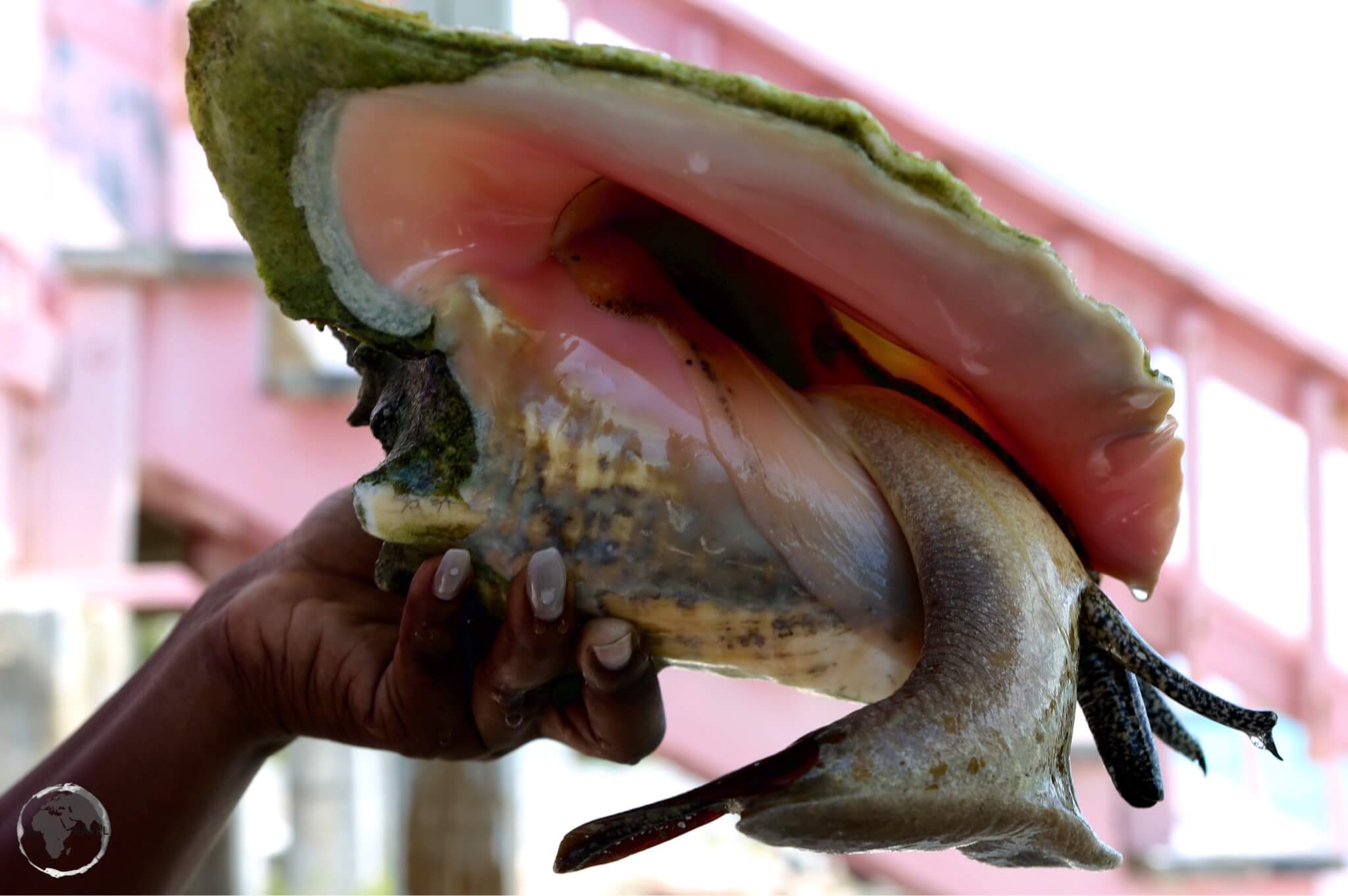
A very slimy adult conch at the Caicos Conch Farm.
Conch, a large marine snail that lives inside a shell, is popular throughout the Caribbean. The Caribbean Queen Conch is farmed on Provo at the Caicos Conch Farm, described as the world’s only commercial conch farm. The conchs are raised to around four years old before harvest. Workers remove the meat from the shell and traditionally use it to make conch fritters.
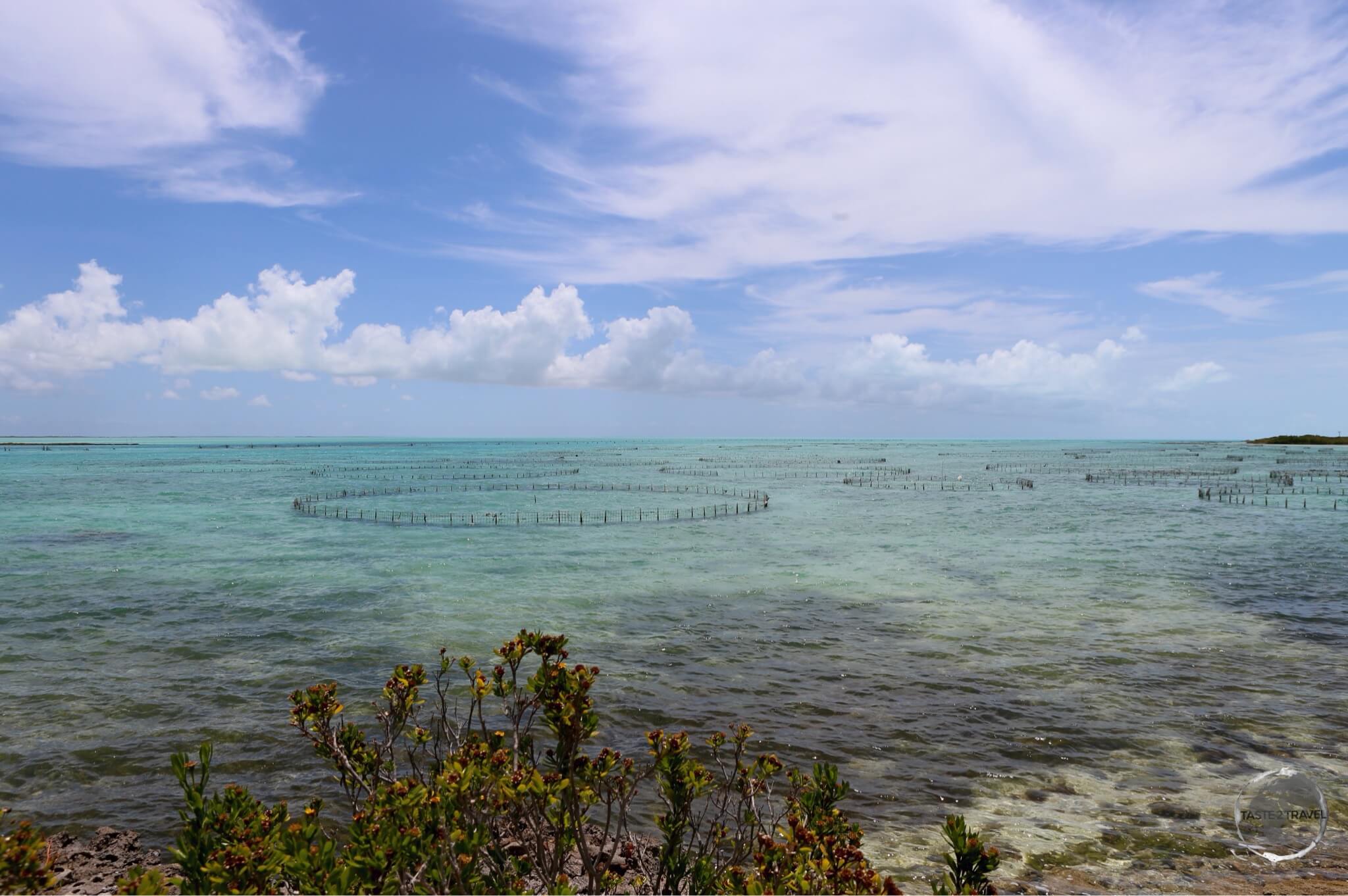
Breeding enclosures at the Caicos Conch Farm.
The farm also polishes the shells and turns them into ornaments, jewellery and souvenirs, which visitors can buy at its gift shop.
Turks Head Beer

While you’re on the island, sample the beers produced by the Turks Head Brewery. The brewery makes Lager, Amber and Stout using imported ingredients and desalinated island water. You can order these beers on tap at several bars in Grace Bay and elsewhere around the island.
Visa Requirements

Visa policy of the Turks and Caicos Islands.
Some nationalities need a visa to visit Turks and Caicos, so check the entry requirements for your passport before travelling. The visa-policy map above highlights in green the countries whose citizens can visit Turks and Caicos without a visa.
Getting There
Air

Inter Caribbean Airways Route Map.
Located on Providenciales, Providenciales International Airport (IATA: PLS) is TCI’s main international gateway. It also serves as the main hub for the territory’s national carrier, InterCaribbean Airways.
Grand Turk also has an international airport, JAGS McCartney International Airport. However, it currently has no scheduled international flights.
The following airlines provide international connections to Providenciales International Airport:
- Air Canada: Flies to/ from – Montréal–Trudeau, Toronto–Pearson
- American Airlines: Flies to/ from – Charlotte, Miami
- Bahamasair: Flies to/ from – Nassau
- British Airways: Flies to/ from – London–Heathrow, Nassau
- Caicos Express Airways: Flies to/ from – Cap-Haïtien, Grand Turk, Kingston–Norman Manley, North Caicos, Port-au-Prince, Santiago de los Caballeros, Santo Domingo–Las Américas, South Caicos
- Delta Air Lines: Flies to/ from – Atlanta, New York–JFK
- Frontier Airlines: Flies to/ from – Atlanta
- InterCaribbean Airways: Flies to/ from – Antigua, Barbados, Cap-Haïtien, Grand Turk, Havana, Kingston–Norman Manley, Nassau, Ocho Rios, Port-au-Prince, Puerto Plata, Santiago de los Caballeros, Santo Domingo–Las Américas, South Caicos
- JetBlue: Flies to/ from – New York–JFK
- Sunrise Airways: Flies to/ from – Cap-Haïtien
- Southwest Airlines: Flies to/ from – Orlando
- United Airlines: Flies to/ from – Newark, Washington–Dulles
Sea
Cruise Ship
Cruise ships visiting TCI call at Grand Turk, rather than Providenciales or the other Caicos islands. The main facility is the Grand Turk Cruise Centre, a dedicated cruise port that opened in 2006 and is operated by Carnival Corporation.
The port can handle several thousand passengers a day and serves major cruise lines, including Carnival, Holland America, Princess and Virgin Voyages.
International Ferry Services
There are no international ferry services connecting TCI with other Caribbean islands.
Getting Around
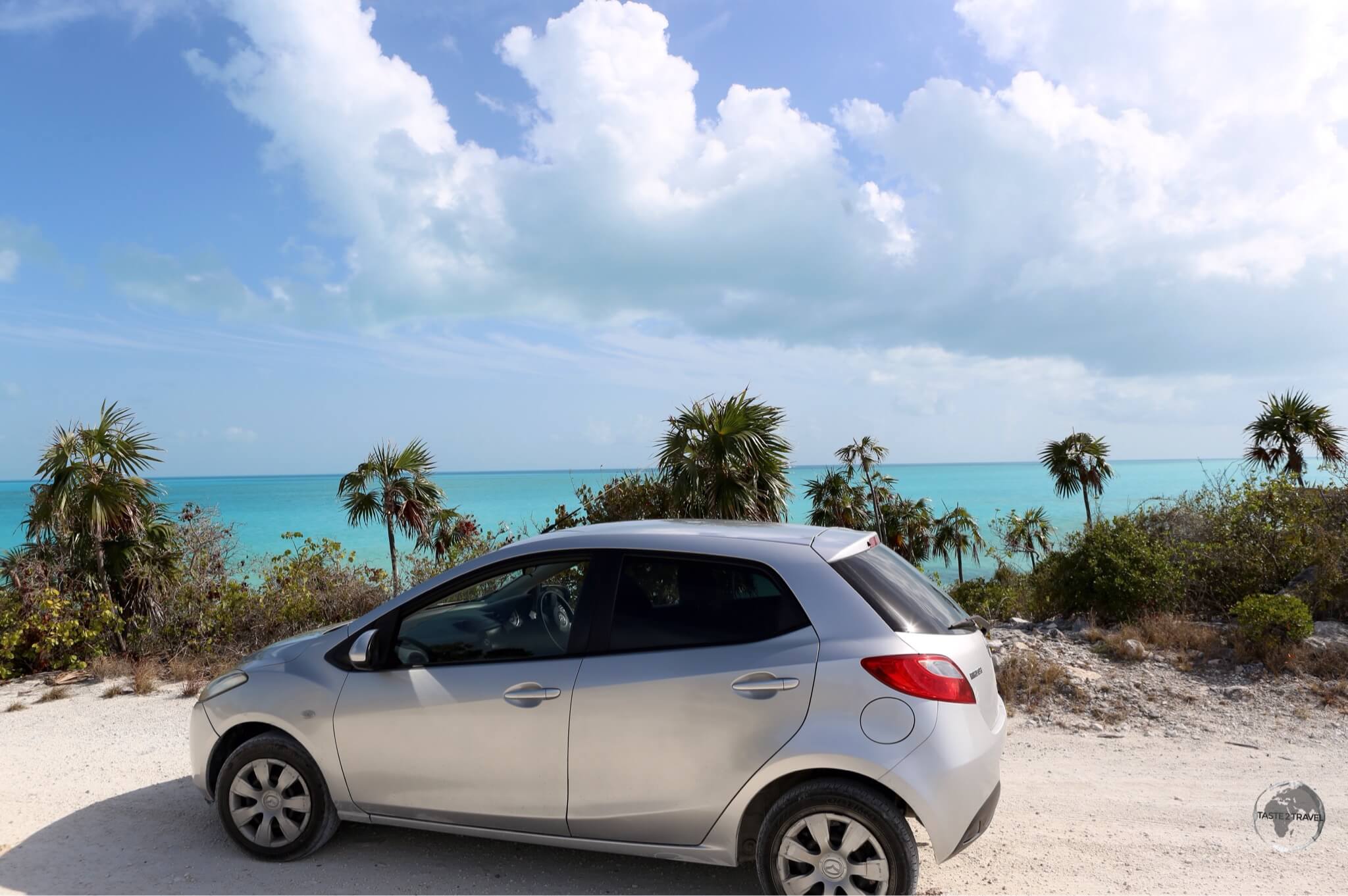
Exploring the south coast of Provo island in my rental car.
Bus
Providenciales has no organised public transport.
Taxi
You can find taxis at airport ranks and major resorts. If you need one elsewhere, you will have to call for a pickup.
Car
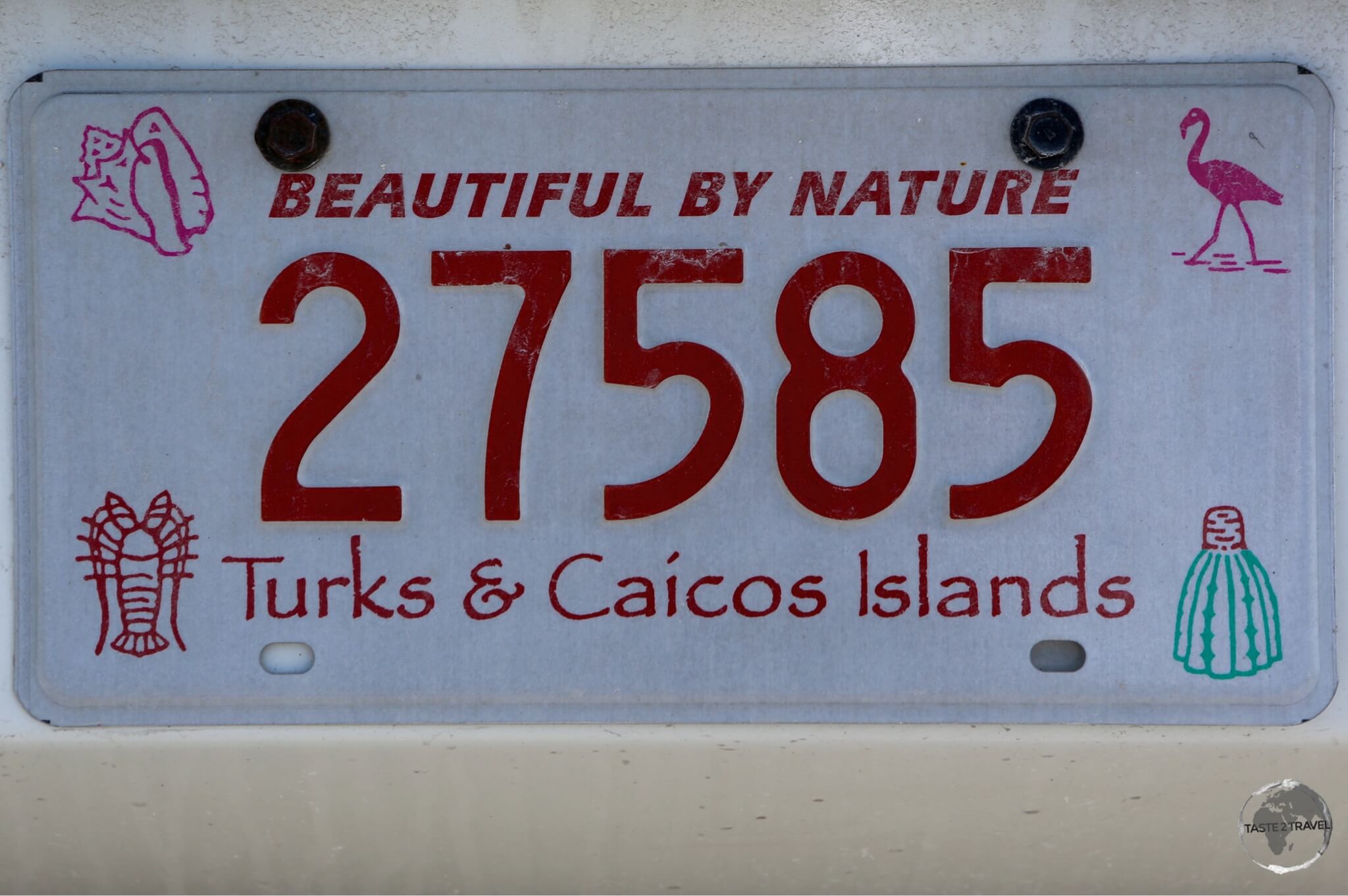
The license plate of my rental car on TCI.
Renting a car is the best way to explore Provo. Without one, you’ll struggle to reach many parts of the island. You can collect a rental car when you arrive at the international airport. Driving is straightforward thanks to excellent roads, light traffic, clear signage and generally courteous drivers. Because the island is small and narrow, it is difficult to get lost. You can usually explore without a navigation system.
Ferry
Caribbean Cruisin’ is a major inter-island ferry and marine-tour operator in the Turks and Caicos Islands. The company operates from Heaving Down Rock (Walkin Marina) on Providenciales. The operator runs scheduled ferries from Providenciales to North Caicos. The trip to Bellefield Landing on North Caicos takes about 25 minutes, with several departures each day.
That brings my Turks and Caicos Travel Guide to an end. If you have feedback or comments, please share them using the form below.
Safe Travels!
Darren
Further Reading
Other travel reports from the Caribbean region include: